By Mahmoud Muhammad Bureau Chief North-West
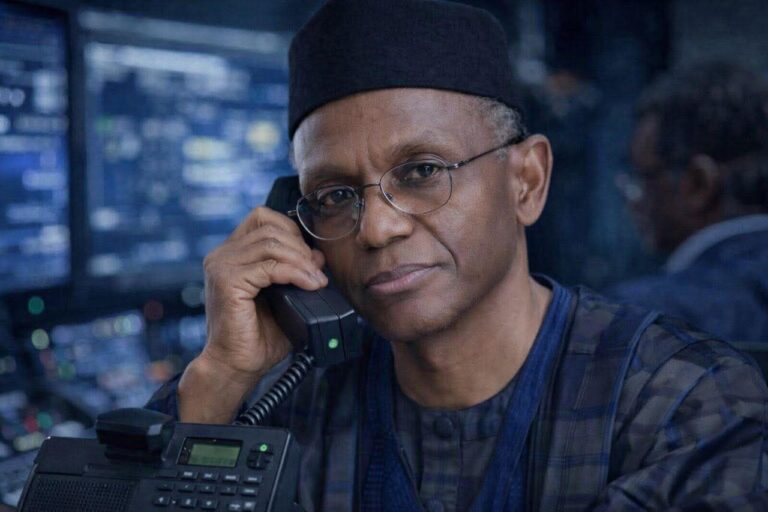
Rabiu Musa Kwankwaso, the leader of the New Nigeria Peoples Party (NNPP), may soon face sanctions from the United States following reports that the US Congress is considering a bill, known as The Nigeria Religious Freedom and Accountability Act 2026 (HR 7457), which reportedly includes Kwankwaso among individuals recommended for targeted sanctions.
The NNPP expressed surprise at these allegations.
Reports indicate that Kwankwaso is listed alongside the Miyetti Allah Cattle Breeders Association and a Fulani militia group as individuals who should be subjected to visa bans and asset freezes due to alleged “serious violations of religious freedom.”
In response, NNPP National Publicity Secretary Ladipo Johnson dismissed the claims as baseless and politically motivated, labeling them as a “fabricated attack on an innocent man” who, he asserts, has no history of religious extremism.
“We view this situation as a deliberate effort to damage the reputation of a man whose public record is clear,” Johnson stated. “Senator Kwankwaso has no ties to religious fundamentalism.
His public service and personal life are open to examination. It is only right that thorough investigations are conducted before reaching such serious conclusions.”
Johnson recalled that Kwankwaso had previously responded to Nigeria’s designation as a Country of Particular Concern by former US President Donald Trump due to alleged religious persecution.
In a statement on his X account at that time, Kwankwaso warned against oversimplifying Nigeria’s complex security issues, emphasizing that Nigeria is a sovereign nation facing various threats from criminal elements.
The NNPP spokesperson also referred to a social media comment from US Congressman Riley Moore, who questioned Kwankwaso’s involvement in religious issues, stating:
“Governor, do you care to comment on your own complicity in the death of Christians? You instituted Sharia law.
You signed the law that makes so-called blasphemy punishable by death.”
Kwankwaso served as the governor of Kano State during the full implementation of Sharia law, joining several other northern states such as Zamfara, Sokoto, Katsina, Yobe, Jigawa, and Borno.
However, Johnson challenged the fairness of targeting Kwankwaso specifically.
“Is this sufficient grounds to accuse him of severe violations of religious freedom? Why haven’t other governors who implemented Sharia faced similar accusations? Is this selective?” he questioned.
He also raised concerns about the timing of these developments, suggesting political motivations.
“Why is this happening now, when Kwankwaso, an opposition leader, has been vocal in criticizing the current administration regarding insecurity? Is this just a coincidence?” The NNPP maintained that Kwankwaso’s record contradicts the allegations against him.
About The Author