By Mahmoud Muhammad Bureau Chief North-West
Street begging has become a disturbingly common sight across Kano, with children, women, and elderly persons crowding major roads, markets, and motor parks.
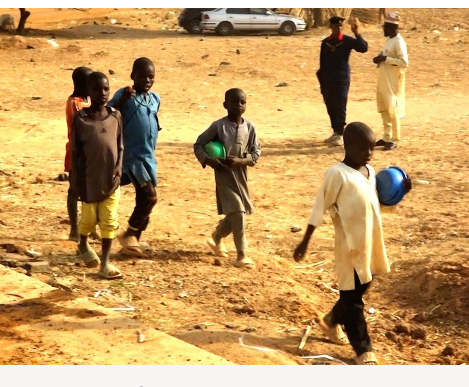
What began as a cultural and religious practice of seeking alms has now spiraled into a social menace, fueled by poverty, unemployment, and displacement. Many beggars, especially children known as almajirai, roam streets instead of attending school, making them vulnerable to abuse, trafficking, and radicalization.
Residents and business owners complain that begging disrupts traffic, intimidates customers, and creates an environment of insecurity. “You can’t even walk freely without being surrounded by beggars. It’s overwhelming,” a shop owner in Sabon Gari lamented.
Authorities have made several attempts to curb the trend, including rehabilitation programs and bans, but enforcement remains weak, and the numbers keep rising.
Experts warn that unless government and communities address the root causes—poverty, lack of education, and weak social welfare—street begging will continue to tarnish Kano’s image and hinder development. Many believe a combination of strict regulation, economic empowerment, and mass sensitization is the only way out.
MAHMOUD Abdullah Muhammad
Is presently the Editor-in-Chief
Contact indagi3792@gmail.com
About The Author