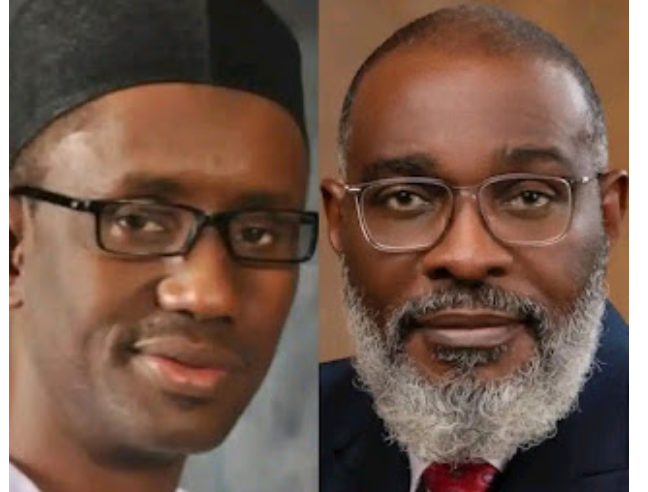
The appointments of a National Security Adviser (NSA) and a Special Adviser on Homeland Security mark a significant shift in Nigeria’s security architecture. These roles are designed to tackle the country’s complex security challenges, from terrorism and banditry to kidnapping and internal unrest.
The NSA will coordinate national security policies, advising the President and ensuring seamless communication among security agencies, including the military, police, and intelligence services. This role is pivotal in addressing Nigeria’s multifaceted security issues.
The Special Adviser on Homeland Security will focus on internal security, overseeing domestic policies and threats. This position is crucial in protecting citizens and maintaining law and order.
By introducing these positions, Nigeria aims to enhance security coordination and intelligence sharing, improving its response to threats and crises. The NSA and Special Adviser will strengthen counterterrorism efforts and foster collaboration between agencies and government ministries.
This synergy is expected to improve Nigeria’s security landscape, but success depends on the individuals appointed and the support they receive. The government must provide necessary resources and authority.
The NSA will advise the President on security matters, providing strategic guidance on national security policies. The Special Adviser will implement these policies domestically, working closely with state governors and security agencies.
These roles will facilitate intelligence sharing and joint operations, enhancing counterterrorism capabilities. As Nigeria faces numerous security challenges, the NSA and Special Adviser will be instrumental in addressing these threats.
The effectiveness of these positions will hinge on collaboration and resources. If implemented well, they could mark a new era in Nigeria’s security framework.
Would you like to know more about Nigeria’s security framework or the roles of these positions?
About The Author