By Mahmoud Muhammad
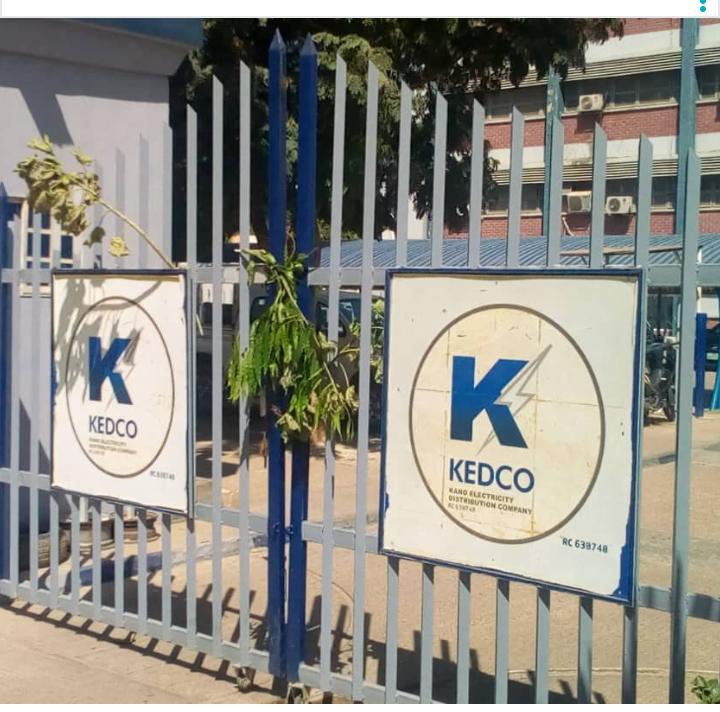
Nigeria’s electricity crisis has continued despite the over 300 per cent tariff increase introduced under the Band A classification system, with many consumers complaining of worsening power supply while paying significantly higher electricity bills.
The concerns intensified on May 11, 2026, as electricity distribution companies reportedly rationed about 3,618 megawatts nationwide amid stagnant generation capacity and persistent gas supply shortages.
The tariff adjustment, introduced two years ago, was expected to strengthen the financial position of distribution companies and improve electricity delivery across the country.
Industry stakeholders, however, argued that the tariff increase has not translated into noticeable improvement in power supply, with many households and businesses still experiencing prolonged blackouts and unstable electricity distribution.
Some consumers were reportedly advised to migrate to lower tariff bands to avoid paying higher charges for inadequate service.
Data from the Nigerian Independent System Operator (NISO) attributed the poor electricity generation partly to inadequate gas supply to thermal power plants, which dominate Nigeria’s energy mix.
The development has renewed debate over the effectiveness of ongoing power sector reforms, with experts warning that rising tariffs without improved supply could further increase economic pressure on consumers and businesses nationwide.
About The Author