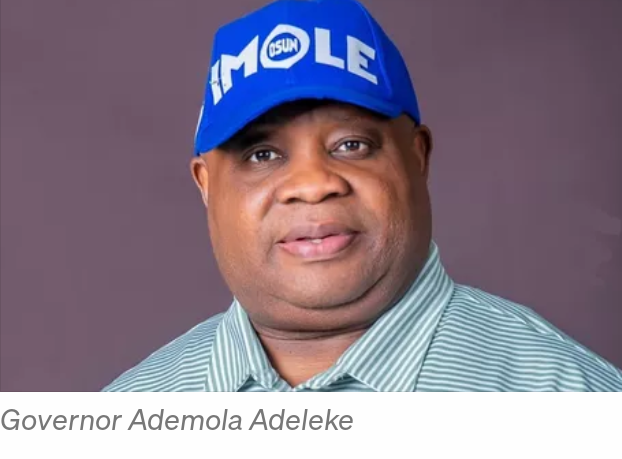
Fresh cracks have emerged within the All Progressives Congress (APC) in Osun State following the rejection of Governor Ademola Adeleke’s victory in the recently concluded governorship election by some prominent leaders of the party.
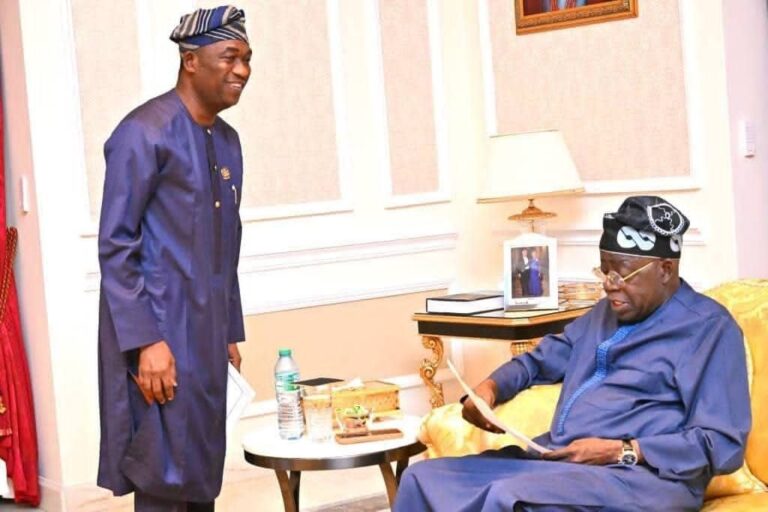
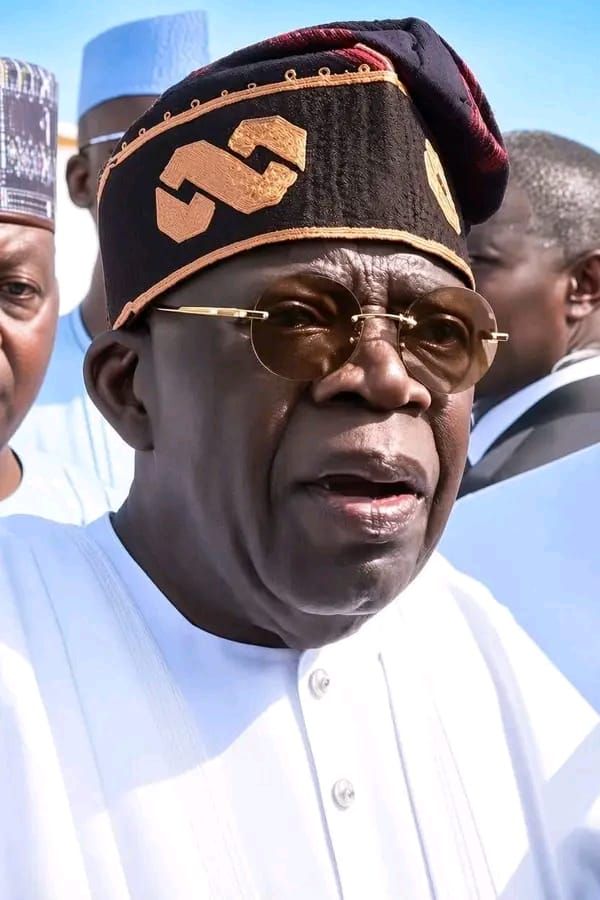
The development came only hours after President Bola Ahmed Tinubu congratulated Adeleke on his re-election and described the outcome of the election as a victory for democracy and the people of Osun State.
While the President’s congratulatory message appeared to signal acceptance of the electoral outcome at the national level, sections of the Osun APC reportedly expressed reservations over the result, raising questions about the party’s next political steps.
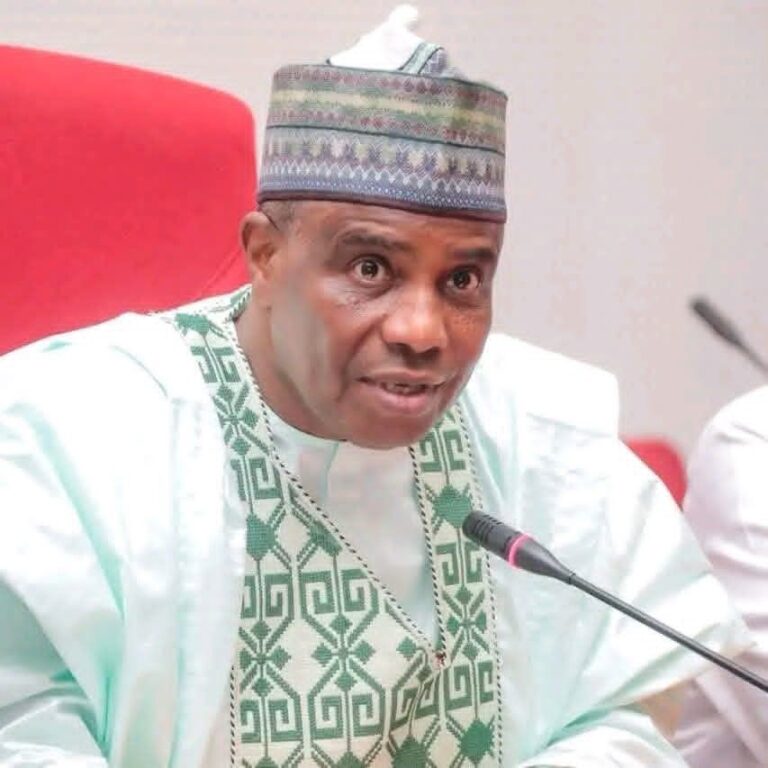
The disagreement has further exposed the internal tensions within the state chapter of the APC, particularly following a closely contested election in which Adeleke defeated the party’s candidate, Bola Oyebamiji.
Adeleke, who contested under the Accord Party after leaving the Peoples Democratic Party (PDP), secured 511,067 votes, while Oyebamiji polled 444,815 votes, giving the incumbent governor a margin of 66,252 votes.
The result represented a stronger performance for Adeleke compared with the 2022 election, when he defeated the APC candidate with a considerably narrower margin. His latest victory also saw him win a majority of the state’s 30 local government areas.
However, the rejection of the result by some APC leaders indicates that the party may not be ready to close the chapter on the election, with questions surrounding the conduct of the poll and the final results expected to remain subjects of political debate.
The development could also deepen the political conversation within the APC ahead of the 2027 general elections, as party leaders face the task of reconciling competing interests, addressing internal disagreements and rebuilding the party’s structure in Osun State.
For now, President Tinubu’s acceptance of Adeleke’s victory and the reservations expressed by some APC leaders present contrasting positions within the ruling party, creating a new political challenge for its leadership as it prepares for the next electoral cycle
About The Author