Our Investigation reporter.
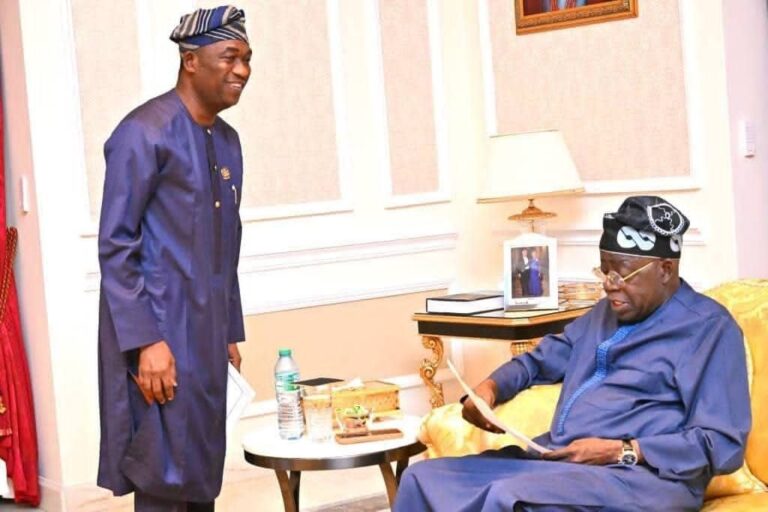
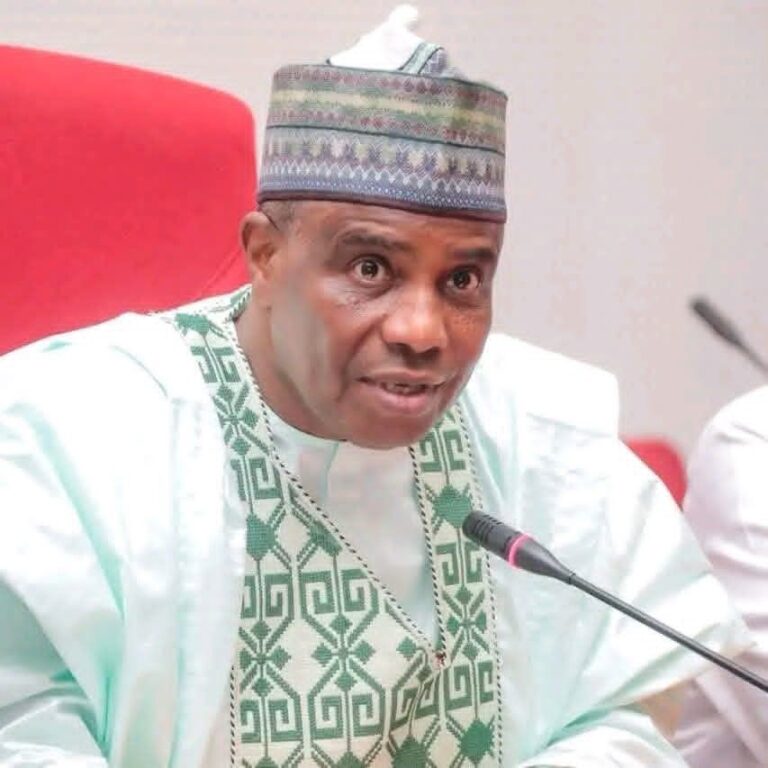
Kebbi State Governor, Dr Nasir Idris, has replaced his deputy, Senator Umar Abubakar Tafida, as his running mate for the 2027 governorship election, with former Commissioner for Finance, Alhaji Ibrahim Muhammad Augie, selected to occupy the positionl.
The decision was announced in Birnin Kebbi by the All Progressives Congress (APC) National Organising Secretary, Alhaji Suleiman Argungu, who said the change followed professional legal advice concerning Tafida’s eligibility and the possible legal implications of retaining him on the 2027 ticket.
According to the APC, the decision was not connected to Tafida’s performance in office or any disagreement between him and Governor Idris.
Argungu specifically maintained that the deputy governor was not dropped because of incompetence, but because of legal hurdles identified by legal experts after reviewing issues connected to the 2023 governorship election.
The party therefore considered it safer to present another candidate for the 2027 election rather than expose the ticket to possible legal complications.
The legal concern is rooted in the litigation that followed the 2023 Kebbi governorship election.
During the legal challenge, Tafida was reportedly at the centre of allegations, including an accusation that he presented a forged secondary-school testimonial to the Independent National Electoral Commission.
The case travelled through the Governorship Election Petition Tribunal, the Court of Appeal and eventually the Supreme Court, with the courts ultimately upholding Governor Idris’ election.
Despite those previous victories, the APC appears to have taken a more cautious approach ahead of the 2027 contest.
The party’s consultations with legal experts reportedly covered the litigation from the election tribunal through the appellate courts and the Supreme Court. The advice, according to Argungu, was that the party should select another candidate for the next election.
This suggests that the decision may not necessarily amount to a declaration that Tafida was legally disqualified in 2023, but rather a strategic attempt to reduce the possibility of renewed litigation or electoral uncertainty in 2027.
However, the explanation has raised questions because Tafida has remained deputy governor since 2023 and has continued to discharge his official responsibilities.
The key distinction is therefore between his current constitutional position as deputy governor and his eligibility or suitability to appear on the APC’s 2027 governorship ticket.
The replacement concerns the future election ticket and should not automatically be interpreted as meaning that Tafida has been removed from his present office or declared incapable of serving as deputy governor.
Another issue concerns the timing of the decision. Political observers are asking why the legal concern became sufficiently important only now, more than three years after Tafida contested alongside Idris and after the APC successfully defended the 2023 ticket in court.
Questions have also been raised about whether Tafida’s name had already been submitted or processed as part of the APC’s 2027 nomination arrangements, and, if so, when the party became aware of the alleged legal risk.The development has also generated conflicting accounts over whether Tafida accepted the change.
While Argungu said the deputy governor understood and consented to the selection of Augie, Tafida’s Senior Special Assistant on New Media, Yahaya Danjadda, disputed the claim, saying Tafida was not consulted before the announcement.
The disagreement over consultation could become politically significant if it develops into a broader dispute within the administration, although Governor Idris has continued to reject suggestions of a personal rift.For Ibrahim Augie, the decision represents a return to the centre of Kebbi politics ahead of 2027.
Augie, who previously served as Commissioner for Finance under former Governor Atiku Bagudu, brings administrative and political experience to the ticket.
His selection also maintains a political connection with the Argungu area and could help the APC strengthen its regional structure, reduce perceived legal exposure and consolidate support for Governor Idris’ re-election bid.
Ultimately, the replacement of Tafida appears to have been driven by a combination of legal caution and electoral strategy, with the APC relying on professional legal advice linked to the history of the 2023 litigation. Yet the precise legal issue remains unclear because neither the governor nor the party has publicly released the opinion that prompted the decision.
Until the APC explains whether the concern involves a fresh eligibility issue, the old litigation, the possibility of renewed court challenges or a technical interpretation of the electoral framework, questions over why Tafida was dropped and why the decision was made at this time are likely to remain central to Kebbi’s 2027 political debate.
About The Author