By Editor
Kano politics may be witnessing another significant shift as some youths identified with the Kwankwasiyya movement have reportedly expressed anger over former Kano State Governor Rabiu Musa Kwankwaso’s political alignment with former Anambra State Governor Peter Obi ahead of the 2027 general elections.
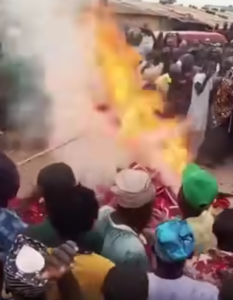
Reports circulating on social media indicate that some youths in Kano allegedly abandoned the famous Kwankwasiyya red cap and symbolically burnt the caps to protest what they described as Kwankwaso’s decision to support Obi.
The development, however, has not been independently verified by official sources.
The reported action comes amid growing debate within Kano and the wider North over the emerging political relationship between Kwankwaso and Obi.
The two politicians have increasingly been associated with a possible opposition arrangement aimed at challenging the ruling All Progressives Congress (APC) in 2027.
For decades, the red cap has remained one of the most recognisable symbols of the Kwankwasiyya Movement, representing loyalty to Kwankwaso and his political ideology.
The movement has maintained a strong grassroots presence across Kano and has traditionally attracted significant support among youths and ordinary residents.
The reported protest therefore carries political symbolism beyond the burning of a piece of clothing. If the action genuinely reflects a wider sentiment among some former supporters, it could indicate that Kwankwaso’s new political direction is creating disagreements among sections of his traditional support base.
The controversy is also linked to concerns among some northern youths about the political implications of a possible Kwankwaso-Obi partnership.
The Northern Youths Assembly had previously criticised the reported alliance, arguing that it represented a departure from what they regarded as the traditional political interests associated with the Kwankwasiyya movement.
However, supporters of the proposed alliance argue that the partnership should not be interpreted through the narrow lens of regional politics. Kwankwaso himself has reportedly argued that the priority should be competent leadership and national interest rather than whether presidential power comes from the North or South.
The development comes at a time when Kwankwasiyya is already facing considerable political realignment in Kano. Several prominent figures previously associated with the movement have moved into rival political camps, while Governor Abba Kabir Yusuf and other influential political actors have also shifted their political positions.
These developments have raised questions about the movement’s cohesion ahead of 2027.
Whether the reported burning of the red caps represents a genuine grassroots revolt or an isolated act by a section of youths remains to be established. What is clear, however, is that the political choices being made by Kwankwaso are generating intense debate in Kano, where the Kwankwasiyya identity has for years been deeply connected to political mobilisation and loyalty.
As political activities intensify ahead of the 2027 elections, Kano is likely to remain a major battleground for competing political movements.
The reaction to Kwankwaso’s relationship with Obi will therefore be closely watched, particularly to determine whether the alliance strengthens his national political ambitions or creates further divisions within the traditional Kwankwasiyya support base.
About The Author