By Mahmoud
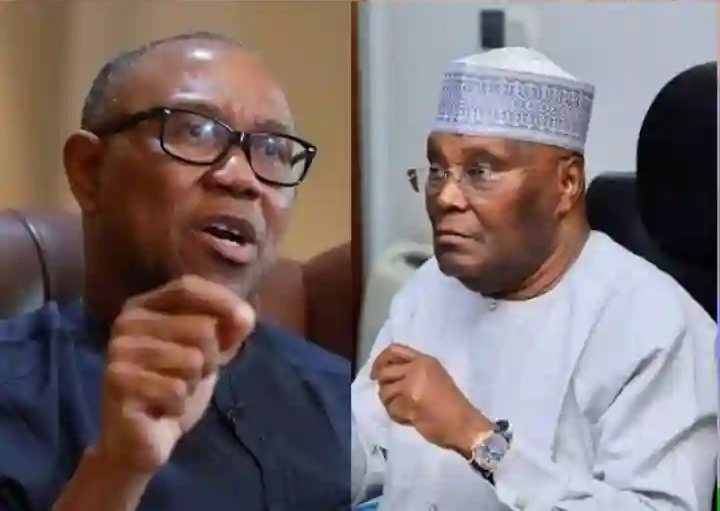
The debate over Nigeria’s petrol subsidy has taken a new turn as former Vice-President and African Democratic Congress (ADC) presidential candidate, Atiku Abubakar, proposed restoring a form of subsidy if elected in 2027, while his political rival, Peter Obi, rejected the idea and insisted that subsidy removal remains necessary.
Atiku’s position has reignited one of Nigeria’s most contentious economic debates, with the former vice-president arguing that Nigerians should not continue to bear the full burden of high petrol prices. His campaign has maintained that the proposal is aimed at making fuel affordable rather than returning to the old subsidy system associated with opacity and alleged abuse.
Atiku’s strategy is centred on using Nigeria’s growing domestic refining capacity to reduce the cost of petrol production and shield consumers from excessive price increases. His supporters, including ADC chieftain Kenneth Okonkwo, have argued that crude oil should be made available to local refineries at affordable rates so that lower production costs can translate into cheaper petrol for consumers.
Obi, however, has rejected the proposed return of subsidy, arguing that the removal of the policy was necessary and that poor management of the proceeds should not be used as justification for reversing it. Speaking at the Nigerian Bar Association conference in Port Harcourt, he said the government should instead have invested the resources recovered from subsidy removal in productive sectors and provided measures to cushion Nigerians from its immediate impact.
The former Anambra State governor said the fundamental problem was not the removal of subsidy but the failure to properly manage the resources generated from the reform.
According to him, Nigeria should have used the savings to improve infrastructure, transportation and other productive areas capable of reducing the hardship created by higher petrol prices.
The two positions therefore represent different approaches to the same economic problem.
Atiku’s proposal seeks to intervene in the petrol market to reduce the burden on consumers, while Obi’s strategy is to maintain subsidy removal and ensure that the resources released by the policy are transparently invested to strengthen the economy.
The Federal Government has defended subsidy removal, saying the reform has released significant resources to the federation. Finance Minister Taiwo Oyedele said the policy mobilised N15.8 trillion for the federal, state and local governments between June 2023 and December 2025, although critics have continued to demand greater transparency over how the funds were utilised.
The Presidency has strongly opposed Atiku’s proposal, questioning its fiscal and legal implications and warning against a return to the previous subsidy regime. The government has argued that any promise to restore subsidy must explain its annual cost, funding source and safeguards against the abuses associated with the former system.
With the 2027 election campaign now underway, the disagreement between Atiku and Obi is likely to make fuel pricing and economic management major campaign issues. While Atiku is presenting affordability as the immediate priority, Obi is advocating continued reform, accountability and productive investment of public resources, leaving voters to decide which strategy offers a more sustainable response to Nigeria’s cost-of-living crisis.
About The Author