By Aisha Mahmoud, Kaduna
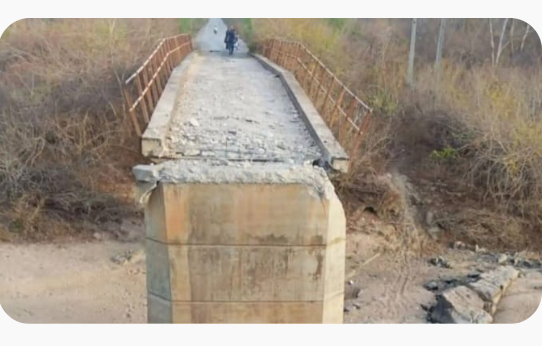
At least eight people were feared killed on Monday, March 23, 2026, after suspected terrorists bombed a bridge along Luma Road in Borgu Local Government Area of Niger State, apparently to slow down ongoing military operations in the area.
Early reports indicate the attackers targeted the bridge to obstruct troop movement and complicate security responses in a region already battling persistent armed violence.
The incident is significant not only because of the deaths, but because it shows a worrying tactical shift: armed groups are no longer attacking only civilians and villages, but are also striking critical infrastructure to undermine military access and territorial control. That kind of sabotage suggests planning, mobility, and a determination to prolong insecurity.
If confirmed in full detail by authorities, the bombing would reinforce fears that parts of north-central Nigeria are facing a deeper security deterioration, where terrorists can combine killings with infrastructure destruction to create panic and delay counteroffensives. It also raises urgent questions about intelligence, route protection, and the vulnerability of public assets in conflict-prone zones.
What happened in Niger is more than another headline. It is a brutal message that insecurity is evolving, and the state must evolve faster.
About The Author