By Editor
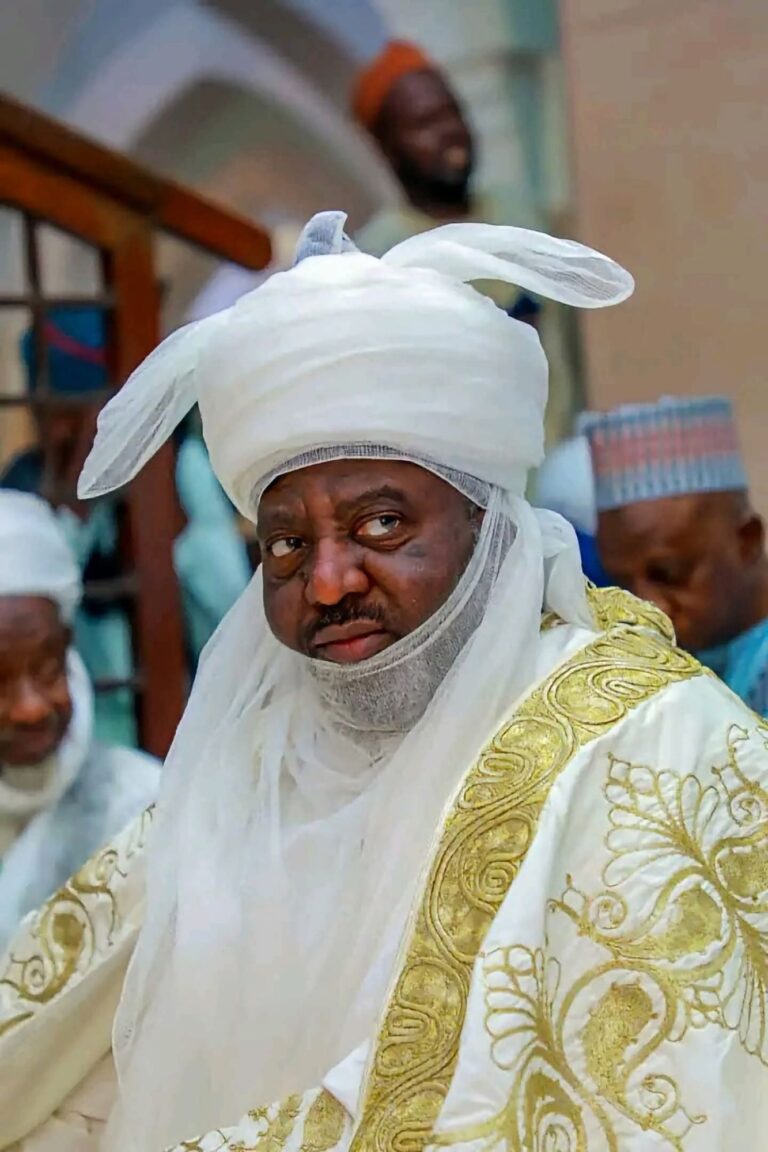
Emir Sanusi, former Central Bank Governor and Emir of Kano, has sparked a national debate on Nigeria’s fuel subsidy removal and foreign exchange reforms. He argues that removing subsidies without tightening monetary conditions could destabilize the economy, citing the current inflation rate above 30%. ¹ ²
Sanusi emphasizes that Nigeria’s subsidy regime was unsustainable, enriching foreign refineries while exporting jobs. He supports subsidy removal but questions the timing, suggesting it should’ve been done earlier to avoid current economic hardship. ³
The Emir highlights Nigeria’s debt servicing burden, where 100% of revenue goes into debt service, making it crucial to reassess borrowing practices. He urges fiscal discipline, asking, “If you’re not paying subsidy, why are you still borrowing?”. ⁴
Sanusi’s comments come amid rising living costs and currency instability. He advocates for stronger synergy between fiscal and monetary authorities, ensuring policy consistency and accountability.
The former CBN governor praises current reforms aimed at reducing exchange rate distortions and curbing inflation. He commends CBN Governor Olayemi Cardoso’s focus on restoring professionalism and transparency.
Sanusi stresses that subsidy removal is just the first step; the real challenge lies in managing the policy to reduce hardship. He calls for transparent spending and investing in productive sectors. ⁵
The debate highlights concerns about Nigeria’s economic management, with some arguing that short-term political decisions override sound economic judgment. Sanusi’s intervention reinforces the need for long-term planning and fiscal responsibility.
As Nigeria navigates these reforms, citizens and policymakers are watching closely, seeking tangible benefits and economic stability.
Would you like to know more about the potential impact of these reforms on Nigeria’s economy or Sanusi’s proposed solutions?
About The Author