
BY EDITOR
Gombe’s 2027 governorship race has split into two distinct stories. On one side is APC’s consensus route that produced Dr. Jamilu Isyaku Gwamna, announced by Governor Inuwa Yahaya after wide consultation with stakeholders and elders. On the other side is PDP’s rushed primary that UK-based lawyer Bulama Audu Bukarti dissected on BBC’s _Fashin Baki_, warning of legal and moral landmines.
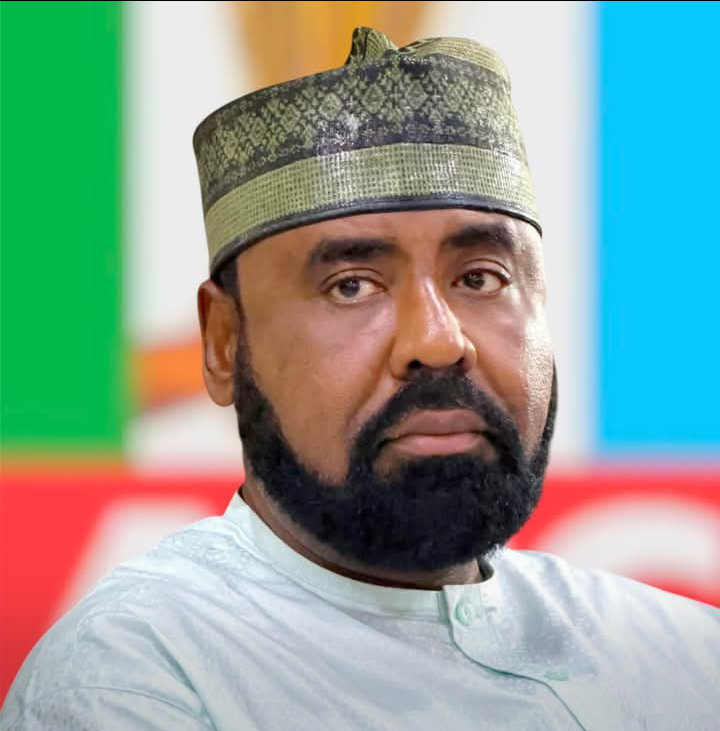
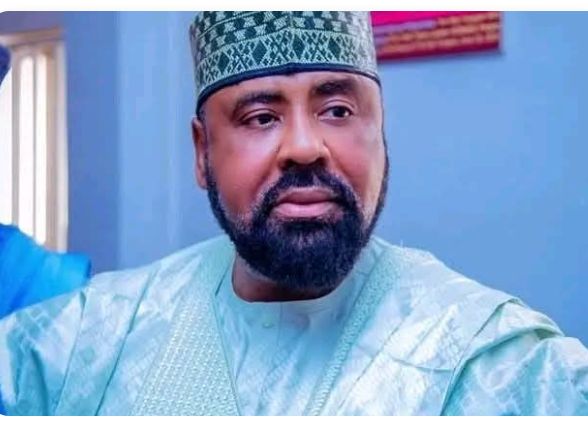
Governor Inuwa Yahaya made it clear: the stakeholders and Elders Forum chose Dr. Jamilu Gwamna as APC’s consensus candidate. The decision, he said, followed “room given by APC at the national level” and aligned with “the tradition of state elders” who have always guided critical political choices in Gombe.
Dr. Jamilu Gwamna accepted the mandate with a pledge to work towards building Gombe. His acceptance speech emphasized unity, continuity, and inclusive development. Even when Sheikh Isa Ali Pantami fired at the governor’s decision, Gwamna’s camp stressed dialogue over division, and service over slogans.
That maturity is what Bukarti’s BBC interview inadvertently throws into sharp relief. While Bukarti was interrogating PDP’s process for Pantami, his legal and moral framework also highlights why APC Gombe chose a different path: consultation, due process, and respect for party tradition.
Bukarti questioned the circumstances that produced Pantami as PDP candidate, arguing the process mirrors the “injustice” Pantami once condemned in APC. “In his BBC interview, he stated that even if injustice was committed to favor him, he wouldn’t accept it… So now, he ought to have insisted that due process be followed,” Bukarti said.
The irony is stark. Pantami accepted the PDP ticket days after defecting, while four cleared aspirants claim they “were not even aware Malam had entered the race, were never invited for discussions, and were not invited to the meeting where he was declared candidate.” That, Bukarti said, is exclusion, not consensus.
“If what those four aspirants are saying is true… then they have been treated unjustly, just like Malam was in the APC,” Bukarti argued. He warned: “I can assure you that if they take this matter to court, the PDP risks losing its governorship candidate in Gombe State.”
The legal risk is two-fold. First, Section 84 of the Electoral Act on party primaries. Bukarti noted: “If even one person among those four candidates files a lawsuit stating that the guidelines of Section 84 were not followed, it is no longer an internal party affair. It becomes a matter of law.”
Second, INEC’s membership register deadline. While a court initially allowed submission until September, INEC appealed. “If the Court of Appeal rules in favor of INEC… any party that allowed someone to come in after that will have no candidate,” Bukarti warned. That would mean fielding “someone who is not a party member.”
Bukarti invoked Pantami’s own words: “God does not support injustice, and whenever injustice is committed, it never lasts; it eventually collapses.” He stressed consistency: “If injustice within the APC is wrong, then injustice within the PDP is equally wrong.”
Contrast that with APC Gombe. Dr. Jamilu Gwamna is a long-standing member with decades of service in the power sector. The Elders Forum and stakeholders did not “pick a brand-new party member whom nobody knew and hand them the ticket,” as Bukarti said happened in PDP.
The APC process was anchored on tradition. Elders, youth groups, women leaders, and LGA stakeholders were carried along. That is why even critics within APC accepted the consensus once the rationale was explained. The party prioritized unity over a bruising primary.
Governor Inuwa’s announcement of the consensus decision was therefore not just administrative. It was a reaffirmation of Gombe’s political culture: dialogue first, imposition last. That culture, analysts say, reduces legal exposure and builds grassroots buy-in.
Dr. Gwamna’s acceptance to “work towards building Gombe with all sons and daughters” directly answers Bukarti’s moral question: “How is it that it only becomes an injustice if it doesn’t benefit you?” By accepting consensus and calling for inclusion, Gwamna chose process over shortcuts.
The battle has now taken new dimensions. PDP faces scrutiny over due process and membership compliance. APC faces the task of consolidating consensus and converting elder support into voter mobilization. Both are political work, but one starts from a foundation of structure.
The old adage fits: “A patient dog eats the fattest bone.” APC Gombe was patient with consultation. It allowed elders to deliberate, stakeholders to speak, and a long-standing member to emerge. That patience may now yield the “fattest bone” — a united ticket heading into 2027.
PDP Gombe, by Bukarti’s analysis, gambled on speed. The primary shifted from Sunday to Tuesday. The ticket went to a new entrant days after joining. Speed, Bukarti warns, “risks collapsing” the candidacy in court. The drama is now bigger than the ambition
Conclusion: Gombe’s voters will decide in 2027, but the process matters now. Dr. Jamilu Gwamna’s consensus emergence under Governor Inuwa Yahaya reflects patience, tradition, and due process. Bukarti’s BBC x-ray of Pantami’s PDP ticket reflects haste, exclusion, and legal danger. In politics as in life, the patient dog still has the advantages.
MAHMOUD MUHAMMAD is former, Regional Editor with LEADERSHIP, in charged of Sokoto, Kebbi and Zamfara State, presently The Northern Star online newspapers Editor-in-Chief
About The Author