By Mahmoud, a Northern Political Analyst
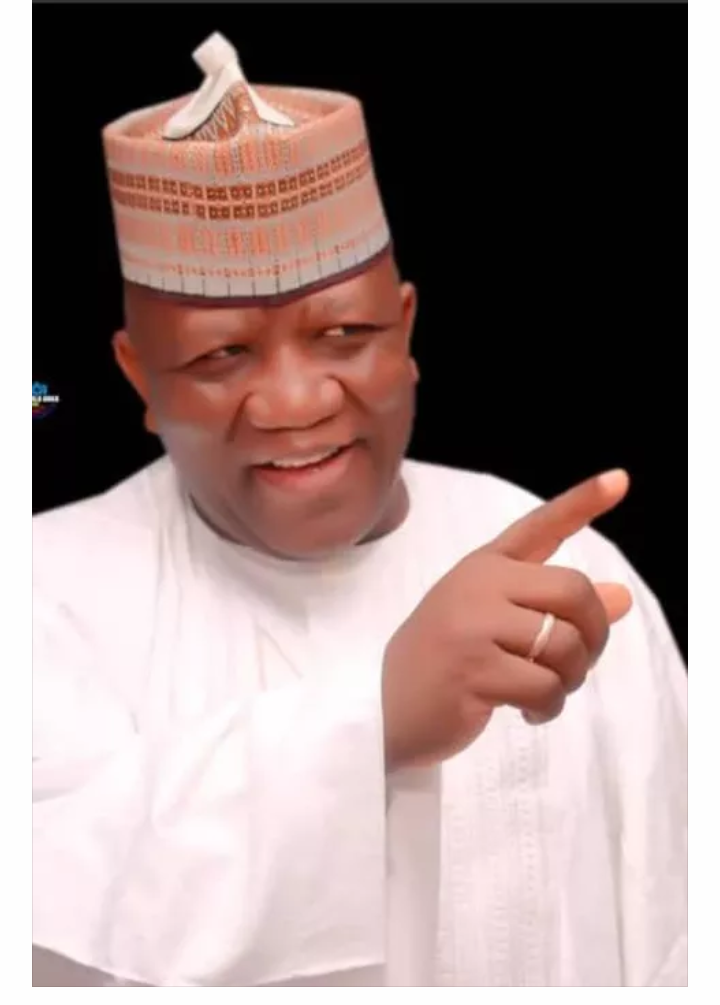
The emergence of former Zamfara State Governor, Senator Abdulaziz Yari, as Director-General of President Bola Ahmed Tinubu’s 2027 Presidential Campaign Council has added a new dimension to the political calculations ahead of the general election.
The APC formally unveiled the campaign council with Yari at the centre of its campaign machinery.
For many observers in the North, the appointment represents a significant political opportunity for the region. Yari is a prominent northern politician with extensive experience in party politics, government and the National Assembly.
His emergence therefore places a familiar northern political figure in a position where he can influence the direction of the ruling party’s campaign strategy.
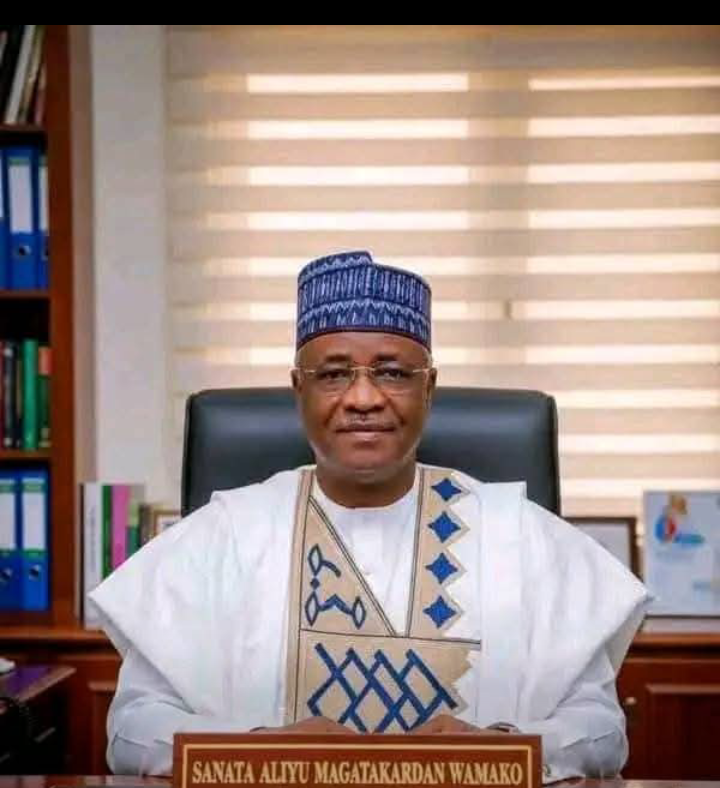
The role of Senator Aliyu Wamakko in the political calculations surrounding Yari has also attracted attention.
Wamakko, who is now listed as the North-West Zonal Coordinator for Stakeholders’ Mobilisation, has maintained a strong political relationship with Yari over the years.
Reports have previously described Wamakko as instrumental in reconciling Yari with former Zamfara Governor Ahmad Sani Yerima.
It would, however, be difficult to establish publicly that Wamakko alone secured Yari’s appointment.
What is clear is that Wamakko occupies an important position in the campaign structure, while Yari has emerged as its Director-General.
The combination gives the North-West a substantial presence in the political architecture of Tinubu’s re-election campaign.
The significance of Yari’s appointment becomes clearer when considered against the political mood in northern Nigeria.
The region has faced prolonged insecurity, particularly in parts of Zamfara, Katsina, Sokoto, Kebbi and neighbouring states.
Banditry, kidnapping and rural violence have affected communities, agricultural activities and commercial life, creating deep frustration among many citizens.
Security therefore remains one of the biggest issues the Tinubu campaign will have to confront in the North.
Political mobilisation alone may not be sufficient to restore confidence among voters who are more concerned about safety, economic survival and access to their farms and businesses.
The argument that the North has simply been politically manipulated by insecurity should equally be treated cautiously.
The security crisis is real and has produced genuine social and economic consequences. Any campaign seeking northern votes will have to demonstrate what has changed on the ground rather than relying entirely on political structures and endorsements.
The economic situation presents another major challenge.
The removal of petrol subsidy has generated severe hardship for millions of Nigerians, with the effects particularly visible among low-income households.
Although the Federal Government has argued that subsidy reform was necessary to redirect public resources and strengthen the economy, many northern households continue to judge the policy by its immediate impact on food, transport and household expenses.
Former Vice President Atiku Abubakar has consequently found an opening to attack the administration’s economic policies.
His criticism of subsidy removal and his promise to reverse the policy have provided the opposition with a powerful message that can resonate with voters experiencing economic hardship.
For the APC, the challenge is no longer simply to explain the economic reforms but to convince Nigerians that the sacrifices will eventually produce tangible improvements.
Without such evidence, opposition politicians can easily frame the reforms as policies that transferred the burden of economic adjustment to ordinary citizens.
The situation in Zamfara also demonstrates the complexity of the northern economic debate. The state possesses significant mineral resources, but mining has become intertwined with questions of insecurity, illegal exploitation, environmental degradation and the role of informal mining networks.
The Federal Government and state authorities therefore face the difficult task of turning mineral wealth into legitimate economic opportunities while preventing criminal exploitation.
Kebbi State presents another dimension of the same challenge.
Agriculture, mining and cross-border commerce remain important components of the state’s economy, but communities require stronger infrastructure, security and investment to translate these resources into sustainable prosperity.
Against this background, Yari’s responsibility as campaign DG goes beyond organising rallies and political meetings.
His greatest challenge will be to help the APC communicate a credible response to the concerns of northern voters.
The campaign must address insecurity, unemployment, food prices, transportation costs and the economic pressures created by the reform programme.Wamakko’s role in North-West stakeholder mobilisation could also become important in this regard.
His political network, combined with Yari’s national responsibility in the campaign council, gives the North-West a strategic opportunity to influence the conversation within the APC.
The campaign structure also gives Governor Inuwa Yahaya responsibility for stakeholder mobilisation in the North-East.Ultimately, the 2027 contest will not be won by endorsements alone.
Yari’s emergence may strengthen Tinubu’s political machinery in the North, but the real test will be whether the campaign can reconnect the administration with voters who feel abandoned by insecurity and economic hardship.
If the APC fails to address those concerns convincingly, the opposition will continue to exploit the gap created by public dissatisfaction.
If, however, the ruling party can demonstrate measurable progress, the political advantage created by Yari’s appointment and the wider northern campaign structure could become significant.
MAHMOUD is a Kano base POLITICAL ANALYST indagi3792@gmail.com
About The Author