By Mahmoud
At least 67.4 per cent of Nigerians want the Federal Government to restore fuel subsidy, according to the latest Wave 2 analysis of the Nigeria 2027 Voter Sentiment Tracker by geopolitical research firm SBM Intelligence.
The report, titled “Nigeria 2027: A Narrower Race,” was based on face-to-face interviews with 1,103 eligible voters across 12 states and the Federal Capital Territory, covering the country’s six geopolitical zones. SBM Intelligence, however, cautioned that the findings represent a snapshot of stated sentiment among respondents and do not account for historical voter turnout, population projections or INEC voter registration figures.
According to the report, petrol has emerged as a major political and economic issue, ranking as the second-most cited national problem at 18.2 per cent. It also received the lowest performance rating among issues associated with the current administration, scoring 1.69 out of four, while 67.4 per cent of respondents rejected the current policy direction compared with 19.2 per cent who supported it. Petrol concerns were highest in the South-West at 30.5 per cent and South-South at 29.1 per cent, while 32.4 per cent of rural respondents identified it as their primary concern, compared with 11.7 per cent of urban respondents.
The survey also showed significant regional differences in voters’ priorities ahead of the 2027 elections. Insecurity remained the leading concern nationally, particularly in the South-East, North-Central and North-West, while debt ranked first in the North-East. The findings further showed that the North-West recorded insecurity at 25 per cent, followed closely by petrol at 24 per cent, while the North-East cited debt at 28.3 per cent, insecurity at 17.1 per cent and health at 11.2 per cent.
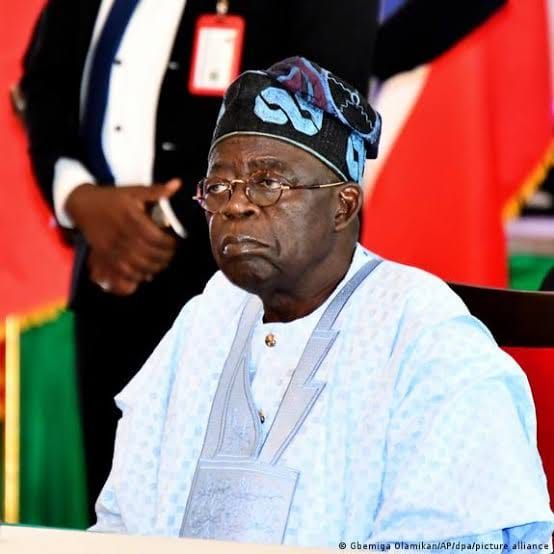
The report comes amid continuing debate over the future of Nigeria’s petrol pricing policy, following President Bola Tinubu’s position that the country will not return to the former subsidy regime. Former Vice President Atiku Abubakar has advocated an alternative production subsidy for locally refined petrol as a means of reducing pump and transportation costs. Meanwhile, Emeritus Professor of Petroleum Economics, Wumi Iledare, told Daily Trust that the government should use increased fiscal resources for targeted interventions in transportation, energy access, social protection and infrastructure rather than restore an indiscriminate fuel subsidy.
About The Author