By Editor
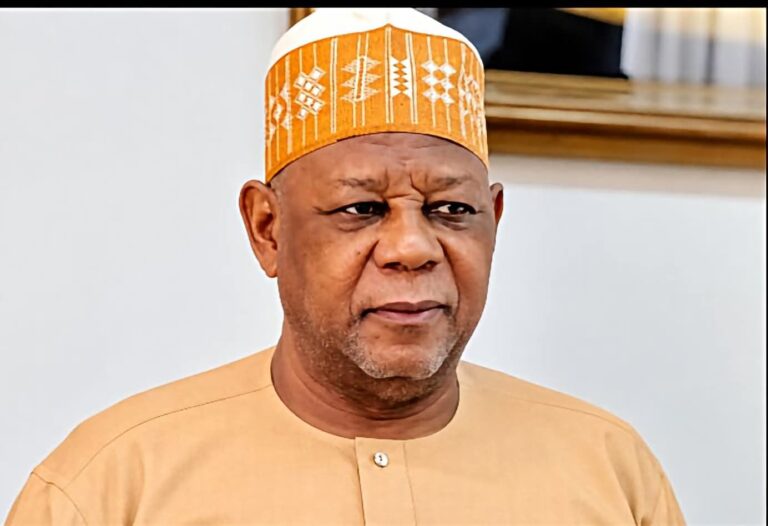
Atiku Abubakar, the former Vice President of Nigeria, has emerged as the presidential candidate of the African Democratic Congress (ADC) for the 2027 general elections. Atiku secured 1,846,370 votes, defeating Rotimi Amaechi and Mohammed Hayatu-Deen in the party’s primary election. ¹ ²
The results were announced on Wednesday night at the Transcorp Hilton in Abuja, with Atiku’s victory margin standing at 1,346,390 votes ahead of Amaechi and 1,674,884 votes ahead of Hayatu-Deen. The total votes cast in the election were 2,546,457, with a total party membership of 3,113,599.
Atiku’s win has been met with calls for unity from his opponents, with Amaechi and Hayatu-Deen urged to join him in the “struggle to save Nigeria’s democracy”. Atiku has pledged to lead a national recovery effort, focusing on security, education, healthcare, and economic reform.
In his acceptance speech, Atiku criticized the ruling All Progressives Congress (APC) government, saying it had failed to address the country’s economic and security challenges. He promised to strengthen security agencies, expand education access, and address economic hardship.
The ADC primary was seen as a demonstration of internal democracy, with Senator David Mark, the party’s leader, praising the process. Atiku has called for unity within the party, emphasizing that there are no winners or losers in the primary. ³
Atiku’s emergence as the ADC candidate has significant implications for Nigeria’s opposition politics, with the party positioning itself as a third-force alternative to the APC and PDP. The ADC has assured Nigerians that prominent leaders, including Peter Obi and Rotimi Amaechi, will remain united in their mission to transform the country. ⁴
Atiku has outlined key priorities for the party, including security, education, healthcare, and economic reform. He has pledged to strengthen security agencies, expand education access, and address economic hardship.
The ADC has set its sights on mobilizing 35 million voters for the 2027 elections, banking on its growing membership and the Independent National Electoral Commission’s (INEC) voter registration efforts.
Atiku’s victory has been hailed as a significant development in Nigeria’s opposition politics, with the party expected to play a crucial role in the 2027 elections.
Would you like to know more about Atiku’s plans for the 2027 elections or his response to criticism from opponents?
About The Author