By Editor -in-Chief MAHMOUD MUHAMMAD kano
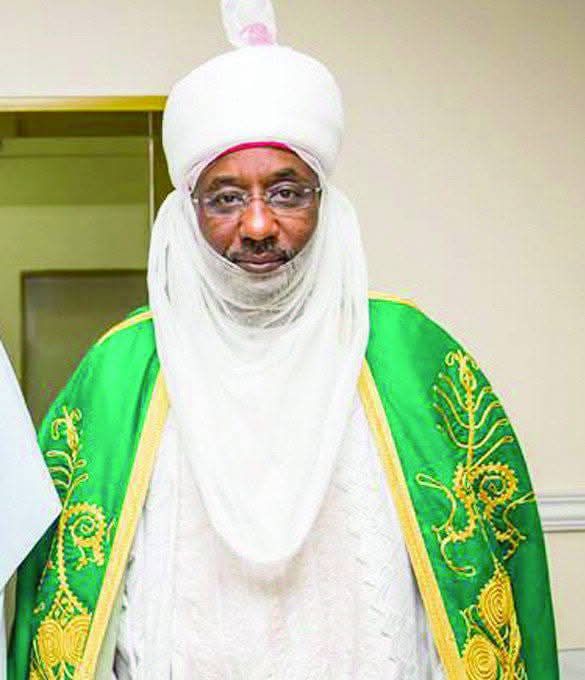
A viral comment attributed to Abbah Gida-Gida — “Emir Sanusi has come to stay” — has triggered fresh speculation in Kano politics, with analysts warning it could reshape alignments ahead of 2027 and put Governor Abbah Kabir Yusuf’s seat under scrutiny.
The remark, which circulated widely on social media and in local discussions, was interpreted by many as an endorsement of Emir Muhammadu Sanusi II’s restored position. In Kano’s political culture, statements about the emirate often carry electoral weight due to the institution’s influence on voters.
Political observers say the comment immediately sparked debate about party loyalty and succession. Governor Abbah Kabir Yusuf, who leads the NNPP administration, now faces speculation that the remark could be used by opponents to frame him as politically exposed.
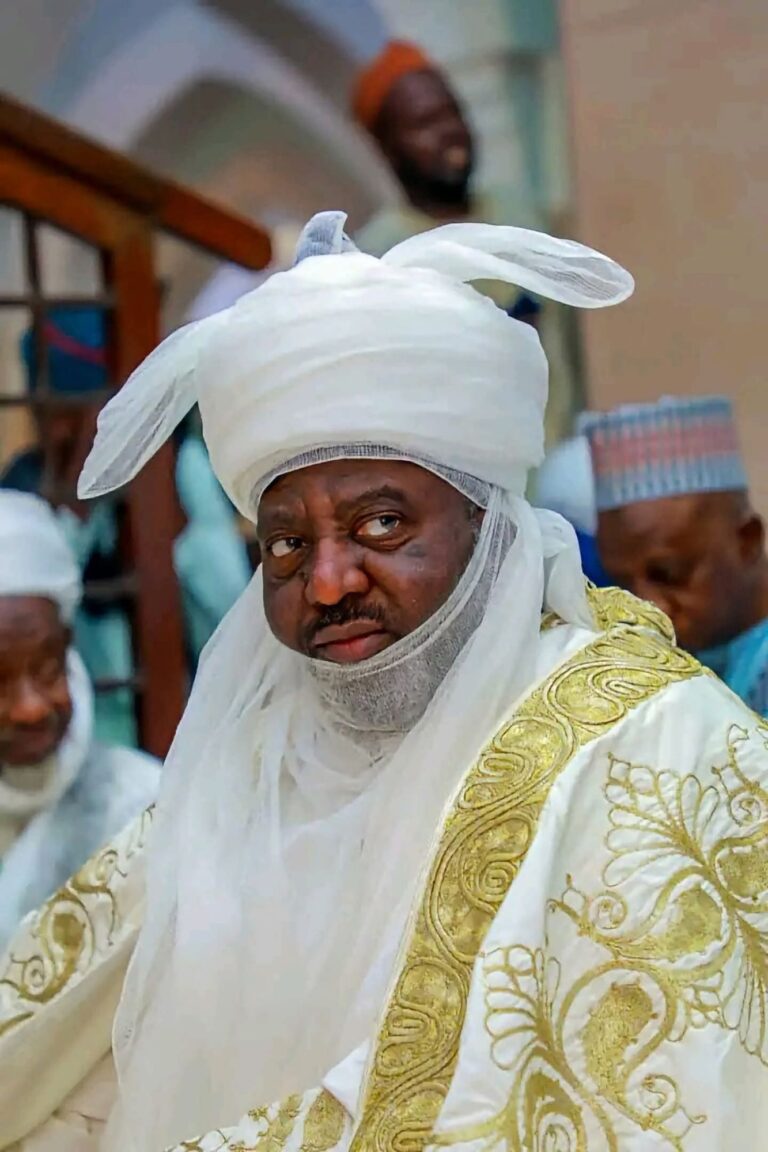
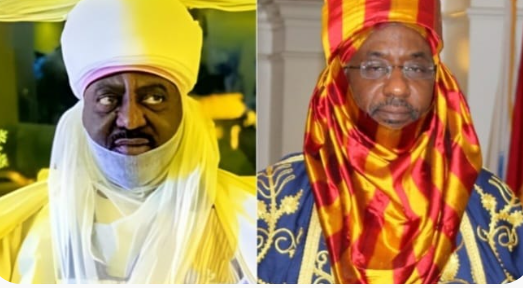
The situation is complicated by the posture of two figures loyal to the APC: Emir Muhammadu Sanusi II and Aminu Ado Bayero. Both command significant followings. Analysts note that their supporters, if aligned, could form a formidable bloc capable of challenging the incumbent structure in 2027.
Hundreds of thousands of associates linked to Aminu Ado Bayero are said to be optimistic about 2027. Their confidence, sources say, stems from grassroots networks in Kano metropolis and beyond, built over years of traditional and political engagement.
Speculation of “anti-party” activities has also emerged. Commentators argue that followers of both Sanusi and Aminu Ado could act independently of formal party directives, creating what some call a “warrant party” dynamic — informal but powerful voter mobilization outside strict party lines.
A Kano-based political analyst and commentator, Mahmoud Muhammad, weighed in on the development. He described the governor’s statement and the surrounding commentary as a “hazard” to political stability if not managed carefully, warning that identity and palace politics can quickly become electoral flashpoints.
The “hazard nature” of the event, according to analysts, lies in three areas: 1) the mixing of traditional institution debates with partisan politics, 2) the potential for rival camps within APC to coordinate against NNPP, and 3) the risk of voter polarization along loyalty lines to palace figures.
For Governor Abbah Kabir Yusuf, the challenge is narrative control. His administration’s projects and policies will be weighed against symbolic politics. A single viral statement can shift public conversation away from governance metrics to questions of alignment and survival.
APC stakeholders in Kano appear to be watching closely. Emir Sanusi’s return and Aminu Ado’s base give the party two influential, non-elected centers of gravity. If both camps converge, analysts say the 2027 governorship race could become a contest of networks more than manifestos.
NNPP, on the other hand, will likely emphasize continuity and delivery. Governor Abbah’s camp is expected to push back by highlighting infrastructure, education, and welfare programs to counteract speculation driven by palace politics.
The “Emir has come to stay” framing also raises questions about tenure and tradition versus political timing. While the emirate’s stability matters to many Kano voters, tying it directly to electoral outcomes is viewed by some analysts as risky for all parties involved.
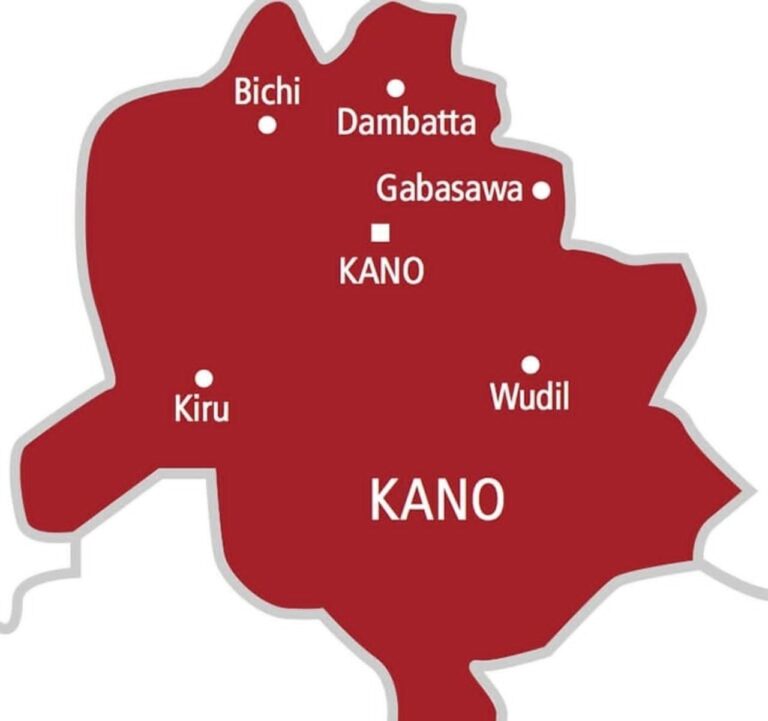
Voters in areas like Kano Municipal, Dala, Tarauni, and Fagge will be key. These dense urban LGAs respond strongly to both traditional authority signals and party mobilization. Any perceived shift in palace alignment could influence turnout and voter choice there.
Mahmoud Muhammad cautioned that speculation alone can be disruptive. He urged political actors to avoid statements that deepen division, noting that Kano’s history shows palace-related contests often leave lasting scars on civic unity.
For now, the viral comment functions as a political Rorschach test: APC loyalists see opportunity, NNPP supporters see a distraction, and undecided voters see uncertainty. How each camp frames it will determine whether it remains talk or becomes a campaign issue.
With 2027 still ahead, the episode underscores a broader truth in Kano politics: traditional influence, party structure, and viral messaging intersect in volatile ways. Governor Abbah Kabir Yusuf, Emir Sanusi, and Aminu Ado Bayero now occupy the center of that intersection.
The coming months will test whether dialogue and issue-based politics can contain the hazard. If not, analysts warn, Kano could see an election cycle dominated more by palace loyalty and anti-party speculation than by policy debate.
-Ends-?
About The Author