By Editor
*The Calm Before Kano’s Storm*
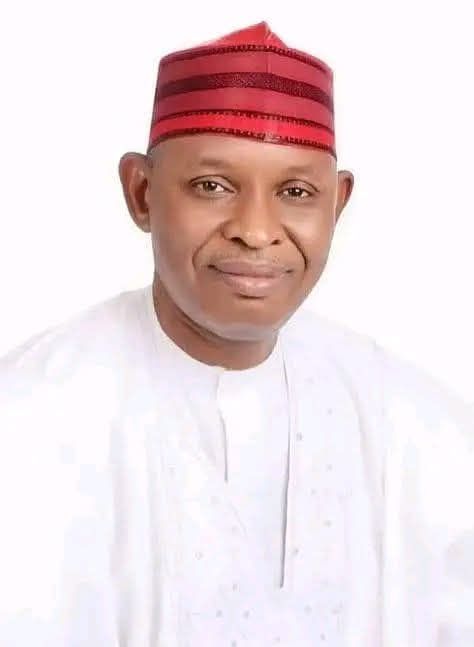
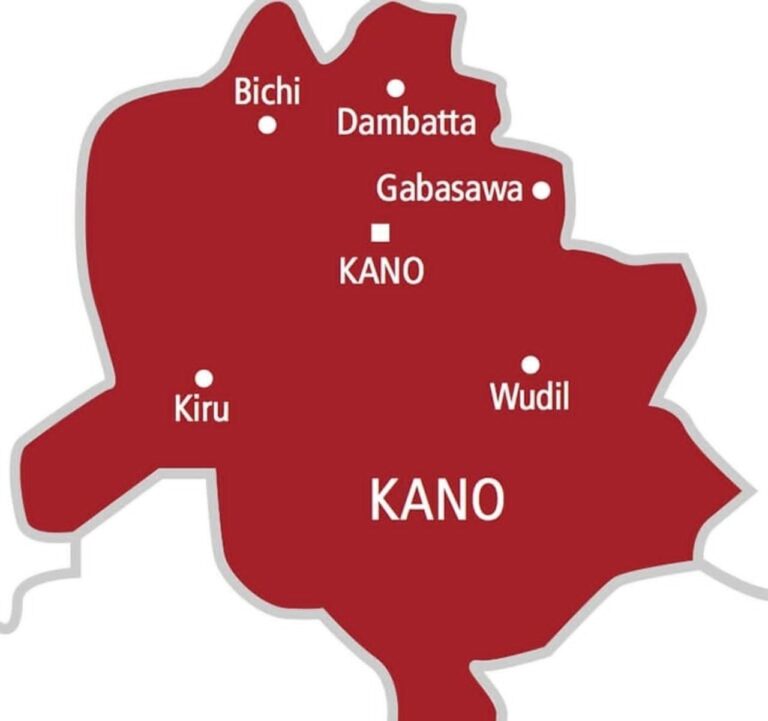
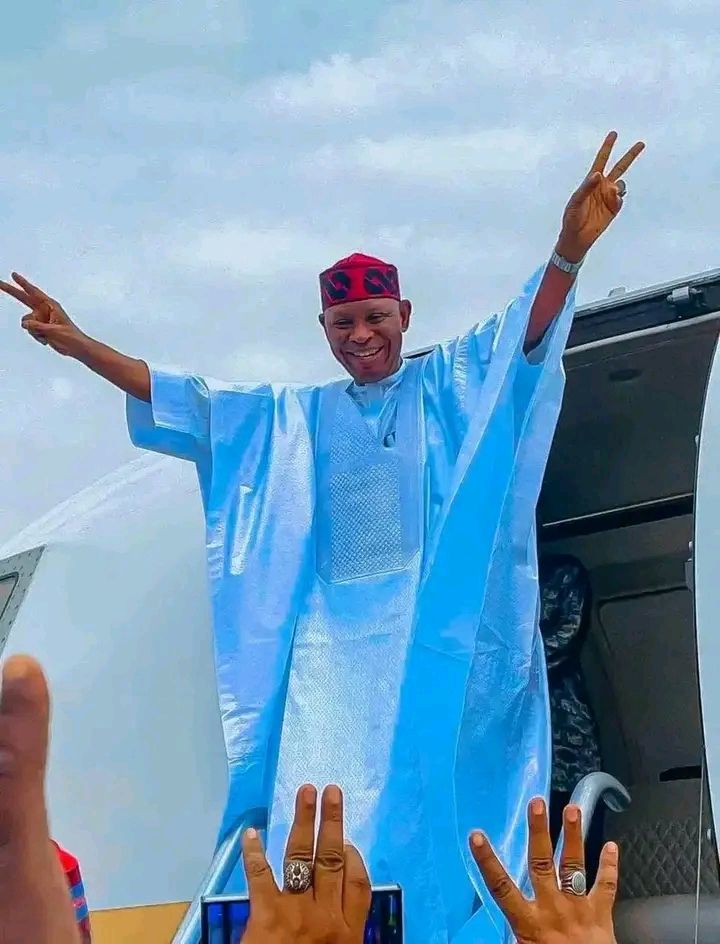
Kano politics has always been a chessboard where thrones, votes, and loyalties shift without warning. As 2027 approaches, incumbent Governor Abbah Kabiru Yusuf, popularly called Abbah Gida-Gida, appears to sit on a seat of power. Yet beneath the surface, multiple fault lines are widening, and soft whispers in government corridors suggest that anything can happen before the final ballot is cast.
*Anti-Party Undercurrents Within*
Key areas within his own structure are quietly working against him. Sources close to Government House say certain commissioners, aides, and local power brokers are engaging in “soft anti-party” activities. They attend NNPP functions publicly while building quiet bridges to APC structures privately, hedging their bets in case the political wind changes direction.
*The Emirate Seat: The Real Decider*
In Kano, what truly decides an election is not only party structures, but the Emirate seat. The palace has historically been the compass for mass mobilization. Whoever the traditional institution leans toward gains an emotional advantage that posters and rallies cannot buy. That is why the current rift between Emirs is being watched more closely than any campaign rally.
*Sanusi vs Aminu Ado: A Divided Palace*
The lingering conflict between Emir Muhammadu Sanusi II and Emir Aminu Ado Bayero has split Kano’s traditional loyalty into two quiet camps. Sanusi’s return to power was facilitated by NNPP, and many believe his heart remains with the Kwankwasiyya movement. Meanwhile, Aminu Ado is perceived, though not confirmed, to be maintaining a cautious proximity to APC. The palace is no longer one voice.
*Sanusi: One Leg in APC, One in NNPP*
Political observers describe Sanusi as a man walking with one leg in APC and the other in NNPP. He is said to be funding certain party activities while keeping diplomatic channels open across divides. That dual posture makes him unpredictable. For Abbah, whose mandate relies on NNPP loyalty, Sanusi’s ambiguous stance introduces a variable that is difficult to control.
6 *Aminu Ado’s Quiet Optimism*
Those around Emir Aminu Ado are optimistic that his present alignment may favor APC interests. During recent Sallah celebrations, attempts to assert traditional influence were interpreted by many as a subtle message to Abbah: the palace can still move crowds. Whether that influence translates into votes remains uncertain, but the signal was clear.
*Dubar and the TikTok Prophet*
At the time of filing this report, TikTok influencer Junaidu claimed that if the Commissioner of Police allowed Dubar to hold, Emir Aminu Ado could have displayed the sheer number of his loyalists on horseback. The statement, though informal, captured the mood: traditional display still equals political muscle in Kano, and both camps understand that language.
*Kwankwaso’s Dominant Shadow*
Senator Rabiu Musa Kwankwaso remains the dominant figure in Kano’s voting psychology. His structures, his red cap movement, and his grassroots network still dictate how many polling units swing. For Abbah, Kwankwaso is both shield and mirror – he provides cover, but also reminds everyone that the throne ultimately answers to the Kwankwasiyya architecture.
*The Vote Has Split into Three*
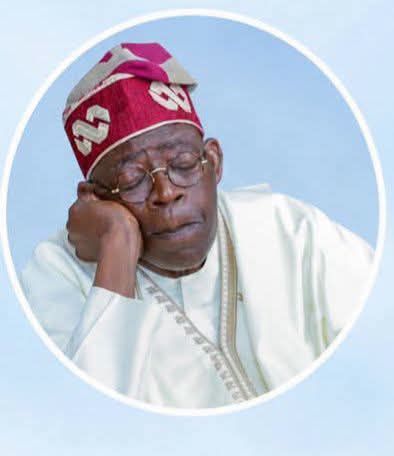
Unlike 2023, Kano’s vote is now quietly split into three emotional blocs: the loyal Kwankwasiyya base, the cautious APC traditionalists, and the undecided urban voters who are tired of drama. That fragmentation makes 25% look achievable for any serious contender, including President Ahmed Bola Tinubu’s APC, which is eyeing Kano with renewed calculation.
*Tinubu’s 25% Target*
Mr. President is not campaigning in Kano yet, but his strategists are. The target is clear: secure at least 25% of Kano’s votes to neutralize opposition arithmetic. In a three-way split, 25% is not just a number, it is a kingmaker. If APC can quietly consolidate Aminu Ado’s influence and absorb anti-party elements, that target becomes realistic.
*The Northern Calculation: Atiku’s Ghost*
Meanwhile, northern political memory still favors Atiku Abubakar in certain quarters. His 2023 pattern suggests his followers could replicate a similar vote share if he contests again. That prospect complicates Abbah’s math further, because the NNPP base may not be as monolithic as it appeared two years ago.
*Abbah’s Monopoly Without Structure*
Abbah Gida-Gida holds the monopoly of incumbency, government machinery, and visibility. Yet political analysts argue he currently lacks a deeply rooted party structure independent of Kwankwaso. In Kano, structure means polling unit agents, ward coordinators, and silent financiers. Without them, incumbency alone can feel like a borrowed robe.
*Gawuna and the ADC Whisper*
Dr. Nasiru Yusuf Gawuna, who contested under APC in 2023, is now associated with quiet agitations within ADC circles. Many believe he remains the only candidate with the arithmetic, name recognition, and northern alignment that could defeat Abbah in a straight contest. The ADC option is soft for now, but it carries the weight of “what if”.
*The Rift Between Palaces*
The deeper issue is not just politics, but the emotional rift between the two palaces. Each Emir represents a different historical memory of Kano. When the palace is divided, the people follow the division in subtle ways – at Friday prayers, at market conversations, at wedding ceremonies. That social division seeps into voting booths.
15. *Anything Can Happen*
Because Kano is Kano, political observers keep repeating one phrase: anything can happen. A court decision, a palace statement, a security directive on Dubar, or a quiet realignment of financiers can tilt the balance within weeks. Abbah’s team knows this, which is why they are watching every whisper from both palaces.
*Funds, Loyalty, and Silence*
Money will flow quietly from multiple directions. Sanusi is said to fund certain party activities, while APC-aligned businessmen are cautiously supporting Aminu Ado’s camp. Loyalty, in Kano, often follows the one who pays school fees, funds medical bills, or repairs the local borehole. That is where elections are quietly decided.
*The Danger of Complacency*
For Abbah, the danger is complacency. Incumbents often believe that visibility equals invincibility. But Kano voters are transactional and emotional at the same time. They remember promises, but they also follow the palace drum. If the drum beats differently in 2027, the result may surprise even the most confident analyst.
*Security and the CP Factor*
The role of the Commissioner of Police cannot be ignored. Whoever controls the permission for mass gatherings like Dubar controls a powerful political image. Junaidu’s TikTok optimism reflects a broader truth: optics matter. A single image of thousands of horsemen can move more voters than a thousand radio jingles.
*The Soft Language of War*
What is happening in Kano is not open war, it is soft war. It is meetings at midnight, phone calls that end quickly, funding that passes through three hands, and emirs who speak in parables. In that environment, Abbah’s survival depends on reading the silence as much as reading the noise.
*Conclusion: A Seat That Can Slip*
Abbah Kabiru Yusuf is still the man with power, but power in Kano is leased, not owned. The Emirate rift, anti-party currents, Kwankwaso’s dominance, Tinubu’s 25% ambition, and Gawuna’s ADC agitation have created a political weather that is cloudy and unpredictable. If the palace drum changes rhythm, Abbah’s seat could slip – not with a shout, but with a quiet, complicated arithmetic.
MAHMOUD is political analyst base in Kano, also former, regional editor Leadership, Sokoto Kebbi Zamfara State.
Editor -in-Chief 07060766191
About The Author