SOKOTO, 16th June 2026 – Northern Star Online Political Desk Analysis by Kano-Based Publisher
1. The Earthquake in Sokoto Politics
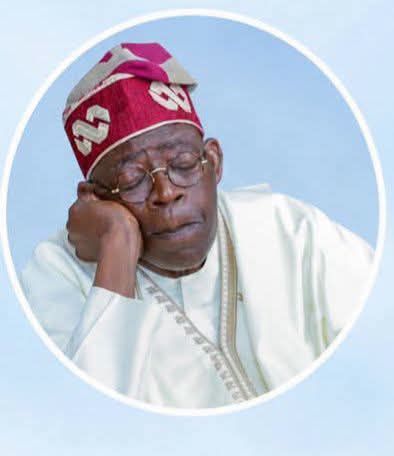
Sokoto is shaking. For over 20 years, Senator Aliyu Magatakarda Wammakko was the compass of APC politics in the state and a key power broker across the North-West. Today, that compass is spinning. Northern Star’s on-ground assessment shows a political structure once built on iron loyalty now leaking from the base.
2. Hidden, Not Leading
Sources close to the Government House say Wammakko’s current influence survives only under the shadow of two men: Governor Ahmed Aliyu and Minister of State for Works, Barr. Bello Muhammad Goronyo. Both are his political “sons,” products of his 2007-2015 governorship. The mentor now appears to need his mentees for political oxygen.
3. Prayerful, Not Powerful
At the time of filing this report, stakeholders say Wammakko has retreated into intense prayer, asking Allah for the current administration to succeed. That posture marks a shift. The Wammakko who once dictated appointments, zoning, and party primaries now watches from the sidelines as events move faster than his control.
4. “One Day for Thieves, One Day for Owner”
That Hausa proverb is echoing across Sokoto’s 23 LGAs. For two decades, Wammakko’s faction harvested appointments, contracts, and party tickets. Political analysts in Kano say the season of harvest may be ending. The “owner” — the electorate and emerging actors — are demanding accountability and a new deal.
5. Politics is Numbers, Not Sentiment
Politics is arithmetic. Wammakko built his dominance on numbers: ward chairmen, councilors, LG party structures, and DGs. But numbers decay when patronage dries up. His former DG Media, Dan Shehu Abubakar, rose to Head of Service before quitting. His ex-SA Media, Sani Umar, became Permanent Secretary before exiting service. Both are no longer in his camp.
6. Loss of Media Shield
Losing Dan Shehu and Sani Umar was not just a personnel change. It was losing the narrative. For years, they framed Wammakko’s politics, defended his moves, and attacked opponents. With them gone, the media defense line collapsed, leaving the “Sarkin Yakin Basasa” open to scrutiny.
7. Governor Ahmed Aliyu’s Stand
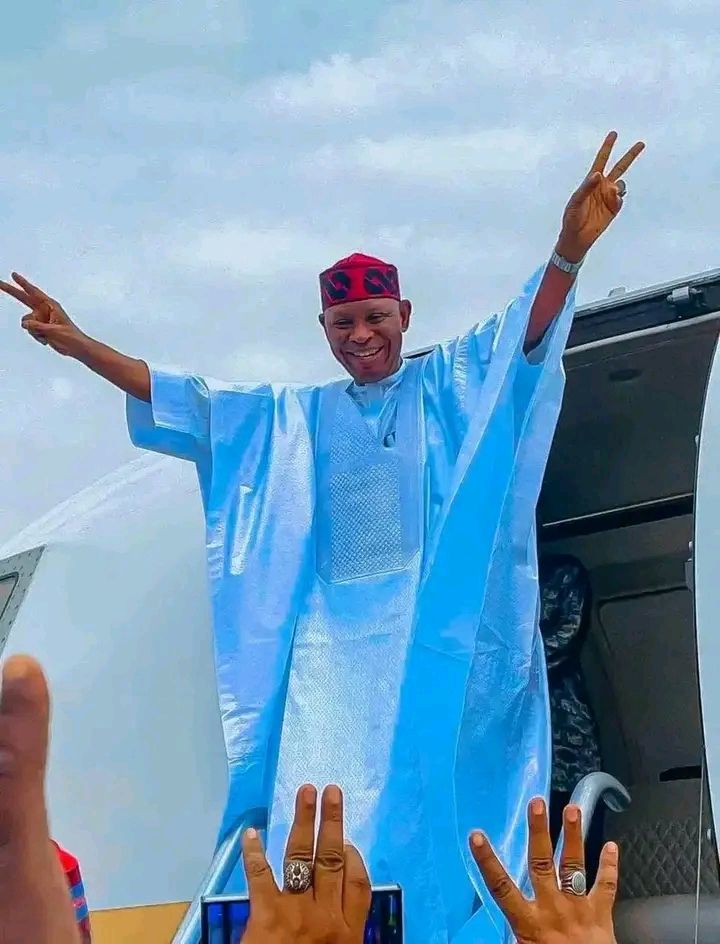
Gov Ahmed Aliyu has been working “helter-skelter” since 2023 to show results for every kobo collected by Sokoto. Roads, healthcare, education, and civil service reforms are his talking points. In politics, performance is power. The more Gov Aliyu delivers, the less the state depends on the godfather’s shadow.
8. Goronyo’s Dignity Factor
Barr. Bello Muhammad Goronyo, Minister of State Works & Housing, brings a different weight — federal influence and respect for Sokoto’s caliphate status. Analysts say his wisdom is to respect institutions over individuals. That balance makes him a bridge, not just a loyalist. Bridges move traffic in all directions.
9. Two Decades of APC Control
From 2007 when Wammakko became governor under ANPP, then APC after the 2013 merger, Sokoto was his laboratory. He installed successors, controlled senators, and shaped House of Reps tickets. That streak made him the North-West’s quiet kingmaker. Kings are only kings until a new game begins.
10. North-West Influence Tested
Wammakko’s influence was never just Sokoto. It stretched to Kebbi, Zamfara, and Katsina through alliances, marriages, and business. But influence is rented, not owned. As Sokoto’s base weakens, the ripple is felt across the North-West. New players are testing the fence.
11. The ADC Factor in Southern Sokoto
This time, the disruption is coming from the south. The African Democratic Congress, ADC, is gaining ground in Gudu, Tangaza, Isa, Sabon Birni, and Illela. The region feels neglected and is aligning with new faces who speak their language — literally and politically.
12. Farouk Malami Yabo’s Rise
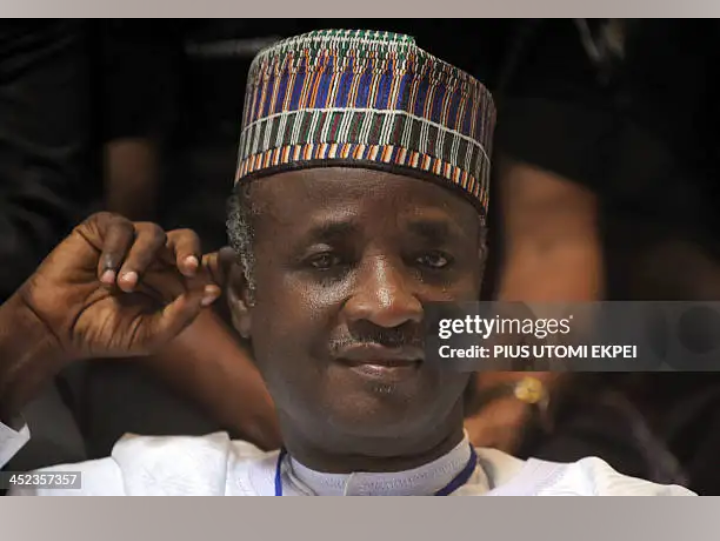
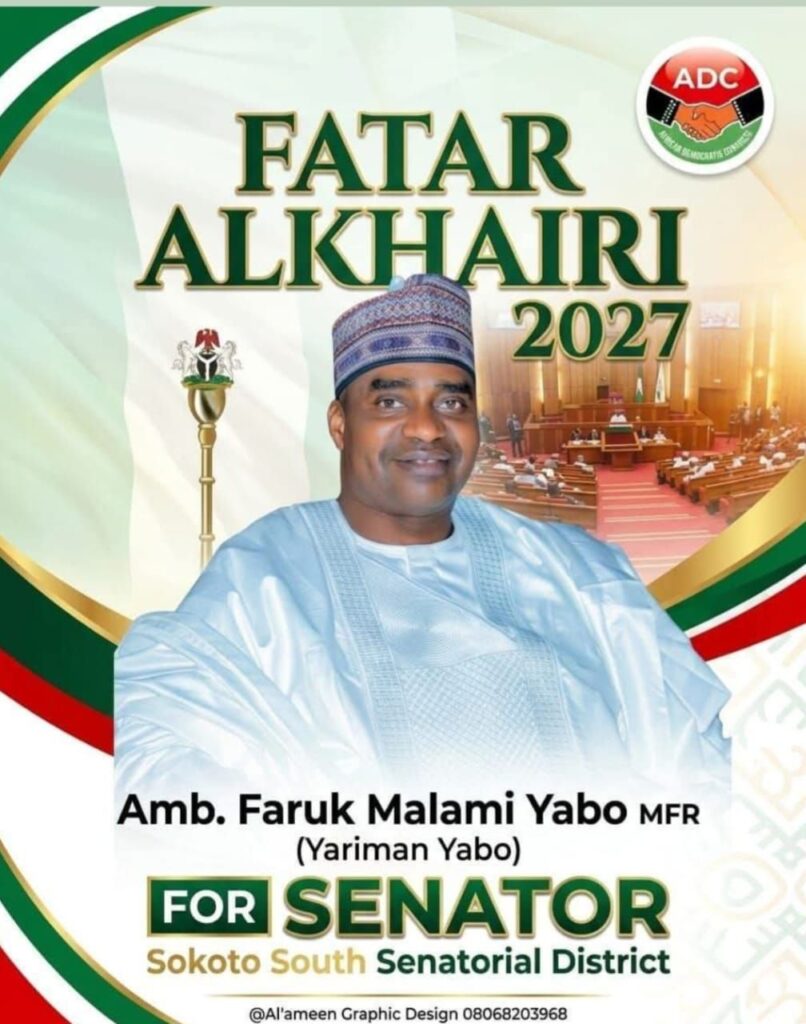
Enter Farouk Malami Yabo. Former Ambassador to Jordan. Former Commissioner of Finance under Wammakko’s 8-year administration. He knows the books, the players, and the pain points. He is now positioning as the man to “take over from Tambuwal” — the sacrifice made in 2015 to save democracy in Sokoto.
13. From Finance Commissioner to Power Contender
Farouk was Wammakko’s money man. He knows where the bodies are buried and where the opportunities are. That insider knowledge makes him dangerous to the old order and attractive to voters tired of recycled politics. He’s not an outsider. He’s an insider who stepped out.
14. Tambuwal’s 2015 Sacrifice, 2026 Reckoning
In 2015, Aminu Waziri Tambuwal left APC for PDP and won Sokoto. That move was framed as saving democracy from one-man control. Now in 2026, Farouk’s ADC push is framed as saving Sokoto from political monopoly. History rhymes. The student becomes the teacher.
15. The Loyalist Base Shrinks
Wammakko is still said to command 90% loyalty among old party faithfuls. But loyalty without structure is nostalgia. Ward exco members have defected. Youths want jobs, not titles. Women want markets, not rallies. The 90% is aging, and politics is a young man’s game.
16. “No Permanent Enemy” — But No Permanent Friend Either
Wammakko himself taught Sokoto that “there’s no permanent enemy in politics.” That wisdom is now biting him. Former allies have new options. Gov Aliyu must answer to Sokoto first. Goronyo must answer to Abuja. Farouk must answer to Southern Sokoto. Everyone has their own math now.
17. The Fall of a Hero is a Process
Heroes don’t fall in one day. They fall when structures rot, when successors grow, and when the people rewrite the story. Northern Star’s visit shows all three happening in Sokoto. The process is slow, painful, and public. “Let us wait and see the falling of a hero,” a party elder told us.
18. Timely, Because 2027 is Near
This is timely because INEC’s calendar is ticking. 2027 will decide Senate seats, governorship, and House of Reps. If Wammakko cannot consolidate Sokoto East and influence the center, his North-West leverage drops. Time is not on his side; it’s on the side of the mobilized.
19. Wammakko’s Legacy vs Reality
No one can erase Wammakko’s legacy: infrastructure, Qur’anic schools, and putting Sokoto on the APC map. But legacy does not win the next election. Reality does — price of food, state of hospitals, safety on roads. Voters are asking: “What have you done for me lately?”
20. The Caliphate’s Political Culture
Sokoto is the Seat of the Caliphate. Its politics values dignity, consultation, and consensus. What’s “wrongdoing now” may be a matter of time, but time in the caliphate is judged by moral standards, not just votes. That’s why traditional and religious voices matter more here than anywhere else.
21. APC Sokoto at a Crossroads
APC in Sokoto faces a choice: reform or fracture. Reform means opening space for Gov Aliyu and Goronyo to lead, and for new blood like Farouk to compete fairly. Fracture means clinging to 2007 templates in a 2026 electorate. The party’s national leadership is watching.
22. ADC’s Southern Invasion
ADC’s impact in Southern Sokoto is not noise. It’s ward-by-ward mobilization. They’re recruiting ex-councilors, youth leaders, and women groups. Farouk’s name opens doors because he was “their commissioner.” In politics, familiarity is currency.
23. The Final Arithmetic
So the equation is clear: Wammakko = legacy + loyalists + prayer. Gov Aliyu = incumbency + projects + state machinery. Goronyo = federal access + caliphate respect. Farouk/ADC = southern base + insider knowledge + anti-monopoly sentiment. Numbers will decide, not history.
24. What Happens Next
If Wammakko reconciles with the new power centers, he remains an elder statesman. If he fights them, he risks political isolation. Sokoto people will watch who brings development, not drama. The proverb stands: “One day for thieves, one day for the owner.” The owner is now asking questions.
The North-West is watching Sokoto. Because when the Seat of the Caliphate shifts, the whole region feels it.
About The Author