By Editor
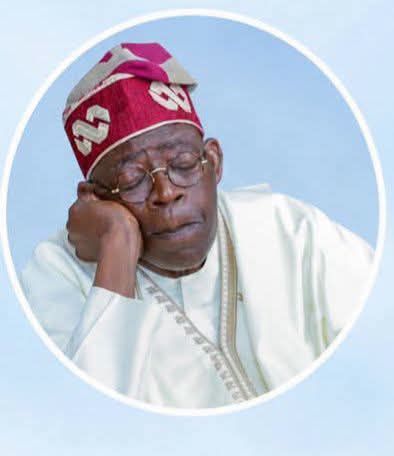
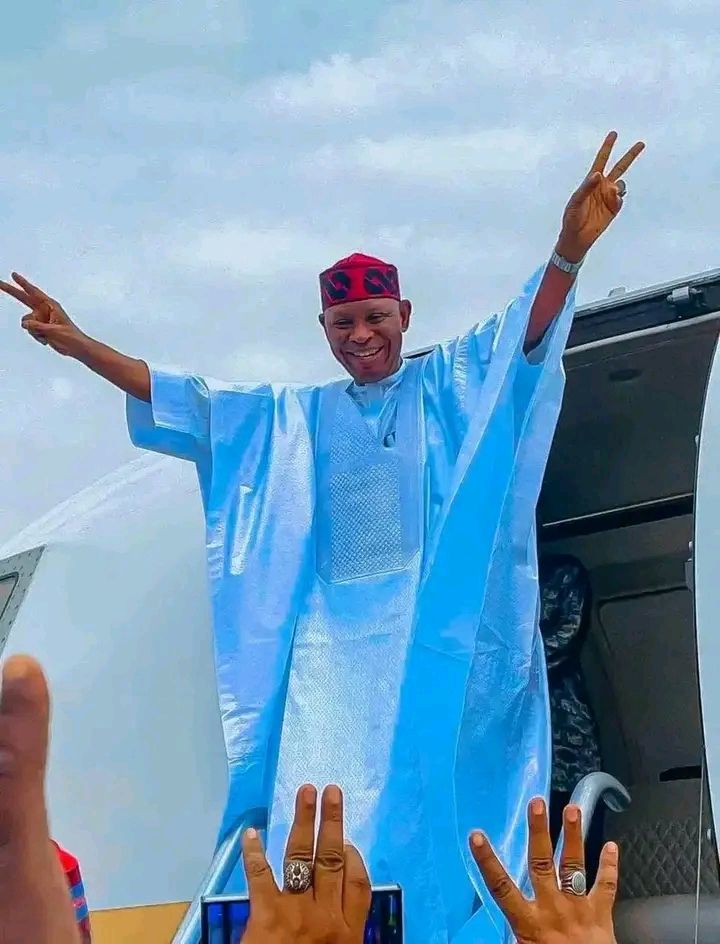
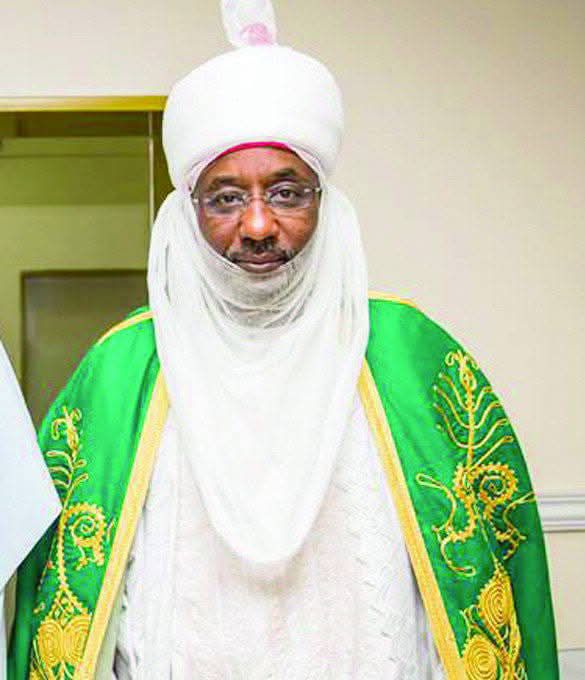
The Emir of Kano, Muhammad Sanusi II, has criticized President Bola Tinubu’s administration for setting an unrealistic goal of achieving a $1 trillion economy, describing it as “hallucination”. He urged the Federal Government to focus on addressing the country’s fundamental economic problems rather than chasing ambitious targets.
Sanusi expressed his concerns, stating that the government should prioritize fiscal discipline and transparency in its spending. He questioned the logic of removing fuel subsidies only to continue borrowing heavily, emphasizing that the country cannot sustain such practices.
The traditional ruler also highlighted the need for the government to address the root causes of Nigeria’s economic challenges, rather than relying on borrowed money to prop up the economy. He stressed that the country’s economic woes are a result of years of policy inconsistency and populist politics.
Sanusi’s criticism comes amid widespread concerns over the government’s economic policies, including the removal of fuel subsidies and the floating of the naira, which have led to increased inflation and economic hardship for many Nigerians.
In response to Sanusi’s comments, the Northern Patriotic Coalition for Democracy (NPCD) accused him of being “careless” and “misinformed”, arguing that President Tinubu’s administration has taken bold steps to correct decades of economic mismanagement.
Despite the criticism, Sanusi remains committed to speaking out on issues affecting Nigeria’s economy. He has previously advised the government to prioritize transparency and accountability in its spending, emphasizing that the country’s economic recovery depends on these factors.
The Emir of Kano’s comments have sparked a heated debate on social media, with many Nigerians weighing in on the issue. Some have expressed support for Sanusi’s stance, while others have accused him of being too critical of the government.
The Federal Government has yet to respond officially to Sanusi’s comments. However, the Minister of Information has previously stated that the government is committed to implementing policies that will drive economic growth and development.
As the debate continues, Nigerians are calling for more transparency and accountability in government spending. The country’s economic challenges are complex, and addressing them will require a sustained effort from both the government and the people.
About The Author