By Editor
1. Opening Context
Kebbi State has been in the news over rising insecurity, bandit attacks, and community clashes in several LGAs. The phrase “blood of innocent souls” has been used by residents and civil society to describe the human cost of the violence in 2025-2026.
2. The Security Environment
Like other North-West states, parts of Kebbi have faced armed banditry, cattle rustling, and reprisal attacks. Rural communities in border LGAs are often most affected due to porous routes and limited security presence.
3. Governance and Public Expectation
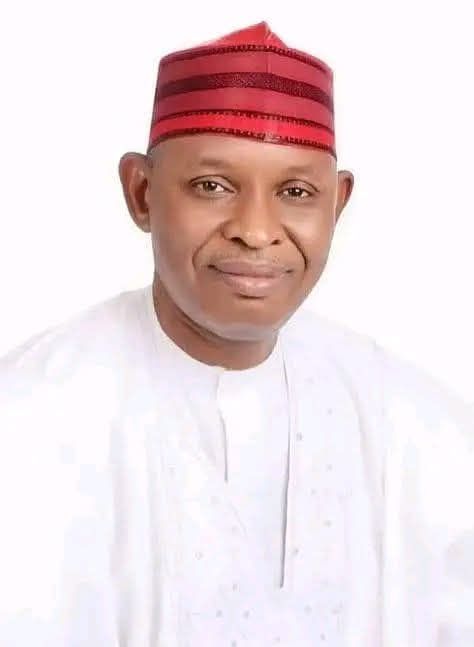
Gov. Idris Nasiru Kaura Gwandu, who assumed office in 2023, campaigned on security, agriculture, and infrastructure. Voters typically judge incumbents on whether lives and property feel safer by the next election cycle.
4. The 2027 Lens
Nigeria’s gubernatorial elections hold in 2027. Insecurity often becomes a central campaign issue. Incumbents who cannot demonstrate progress are usually confronted with stronger opposition narratives. Mostly, his viral vedio shows him greeted with many promises of give away. Instead, to provide essential amenities to villagers. His political circles are shown haven’t taken time with selected members of the public inspired by the governor.
5. “Siege” as a Political Frame
The word “siege” is a political description used by critics to argue that government is overwhelmed. Supporters often counter that security is a federal-state joint responsibility, and that progress is ongoing but not yet visible to all.
6. Citizens’ Grief and Pressure
When civilians are killed, families and community leaders demand accountability, compensation, and visible action. That grief translates into political pressure on the governor’s office, traditional rulers, and security agencies. Instance of the lost of 3 during fish competition, the timing for divers taken decision was odds, that all were lost.
8. State Government’s Mandate Limits
Under the 1999 Constitution, policing remains largely federal. State governors control state resources, local intelligence, vigilante coordination, and welfare programs, but not direct command of the Army, Police, or DSS.
9. What Incumbents Typically Do
Common responses include: increased funding for vigilantes/CJTF, logistics for security agencies, town-hall engagements, IDP support, amnesty/reintegration where applicable, and infrastructure to open rural access.
10. The Political Cost of Violence
In electoral terms, persistent insecurity depresses turnout, displaces voters, and creates sympathy for opposition candidates who promise a “new approach.” That makes it a “rough road” electorally if not addressed.
11. Agriculture vs Insecurity
Kebbi is an agricultural hub for rice and other staples. Farm attacks directly hurt food security, rural incomes, and the state’s economic brand. Restoring safe farming corridors is therefore both a security and economic priority.
12. Community Trust Factor
Trust erodes when communities feel abandoned. Conversely, visible patrols, prompt response, and communication from government can rebuild confidence even before attacks fully stop.
13. Traditional and Religious Institutions
Emirs, district heads, and clerics often mediate between government and communities. Their public posture ahead of 2027 will influence how security is perceived at the grassroots.
14. Opposition Narratives
Opposition parties are likely to frame 2023-2026 as a period of “blood and displacement.” Expect campaign materials to highlight IDP numbers, school closures, and abandoned farms unless the government shifts the story with data and results.
15. Incumbent Counter-Narrative
Gov. Gwandu’s camp will likely point to budget allocations, new security equipment, partnerships with federal forces, and development projects as evidence of effort. The 2027 test will be whether voters accept that evidence.
16. Federal-State Coordination
Because banditry crosses state lines, Kebbi’s security outcomes depend on coordination with Sokoto, Niger, Zamfara, and federal commands. Governors who are seen as effective coordinators often gain political credit.
17. Internally Displaced Persons, IDPs
Displacement affects voter registers, school enrollment, and health outcomes. How the state manages IDP camps and return processes will be a measurable 2027 campaign issue.
18. Youth and Unemployment Link
Insecurity and unemployment intersect. Skills programs, agricultural value chains, and local employment can reduce vulnerability to recruitment by criminal networks.
19. Media and Perception
Headlines about attacks shape perception faster than policy papers. A governor’s communication strategy — regular briefings, victim support visibility, and data transparency — can moderate the political damage.
20. Civil Society and Human Rights Groups
NGOs often document casualties and push for investigations. Government engagement with these groups, rather than confrontation, tends to reduce escalation and improve international perception.
21. Infrastructure and Access
Bad roads delay security response and isolate communities. Road rehabilitation and rural electrification are therefore indirect security interventions that voters notice.
22. The 2027 Electoral Math
Incumbency gives advantages: structure, budget, and visibility. But in conflict-affected states, anti-incumbency sentiment rises if voters equate “peace” with “change.” That is the core of the “rough road” analysis.
23. Scenarios for Gwandu
Scenario A: Measurable reduction in attacks + visible victim support = stronger re-election case. Scenario B: Stalemate or escalation = opposition consolidates around security as the ballot question.
24. Conclusion
“Blood of innocent souls” is a moral and political charge, not a policy document. For Gov. Idris Nasiru Kaura Gwandu, 2027 will likely hinge on whether Kebbi voters feel safer, see justice for victims, and believe the state is regaining control of its rural areas.
MAHMOUD is a Kano base political analyst and also publisher of The Northern Star online newspapers can be rich indagi3792@gmail.com
About The Author