By Mahmoud
A prominent northern Islamic cleric has called on religious leaders to stop campaigning for President Bola Tinubu ahead of the 2027 elections by appealing to faith, and instead demand that the administration be judged on performance.
The cleric, who addressed his congregation in Hausa in a video that circulated online on August 20, 2026, said the time for identity politics is over. He argued that supporters of the president should present tangible achievements if they want another mandate.
“Therefore, I advise the clerics who speak about politics that, this time around, they should not campaign for Tinubu by presenting him as our fellow Muslim or as someone who chose a Muslim as his running mate,” he said.
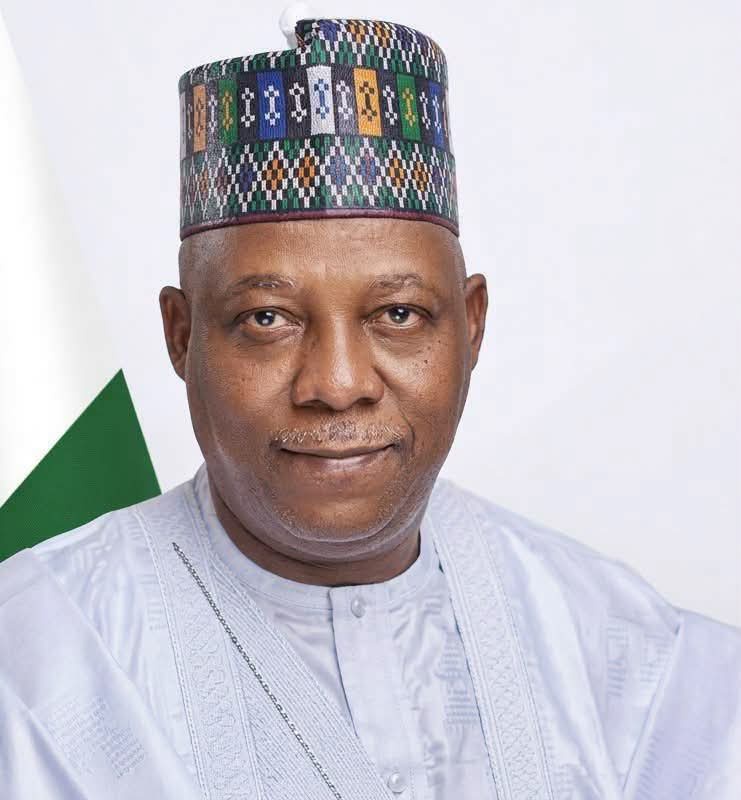
He was referring to the 2023 decision to run a Muslim-Muslim presidential ticket, with Vice President Kashim Shettima as Tinubu’s running mate. That arrangement drew both support and criticism across the country.
According to the cleric, religious leaders have a duty to speak truthfully, even when it involves criticizing those in power. “The politicians should be patient. It is our duty to speak the truth, and Allah has commanded us to speak the truth. We will not stop speaking the truth,” he told worshippers.
He challenged Tinubu’s supporters to come forward with evidence of progress since 2023 rather than rely on religious sentiment. The cleric listed specific sectors he said should be used to measure the government.
“If Bola Tinubu has brought progress in education, healthcare, agriculture, businesses, or road infrastructure, or if he has fulfilled the promises he made, including providing the electricity he promised when he assumed office, then come out and tell us about these achievements,” he said.
The cleric noted that Nigerians are struggling with basic services and want to see results they can feel in daily life. He said campaigning should be tied directly to those outcomes.
He drew a distinction between how citizens assess the federal government and state governors. While calling for scrutiny of the presidency, he said governors are often easier to evaluate because their projects are visible at the community level.
“As for our governors, we stand with them because we can see the projects and work they are doing. May Allah judge every governor according to the things they have done, which we can see for ourselves,” he stated.
The remarks come more than three years into the Tinubu administration, with political conversations already shifting toward 2027. Various groups have begun mobilizing early, and religious leaders have played a visible role in past election cycles.
The cleric urged anyone planning to campaign for the president to lead with data and delivery. “So, whoever wants to campaign for the President this year should first show us what he has achieved and campaign for him based on those achievements,” he said.
He warned that using religion as the main argument could backfire if there is no record to defend. “And if there is nothing to campaign for him with, then allow others to come forward so that we can try and see whether Allah will give us someone who can do better,” he added.
The video has sparked discussion on social media, with commenters debating whether performance or identity will matter more to voters in 2027. Some praised the call for accountability, while others defended the administration’s early reforms.
Political analysts note that appeals to religious identity were a major feature of the 2023 campaign. This intervention suggests a section of northern religious voices may be pushing for a different approach this time, one centered on scorecards rather than slogans.
As of press time, the Presidency has not issued an official response to the cleric’s comments.
About The Author