By our reporter
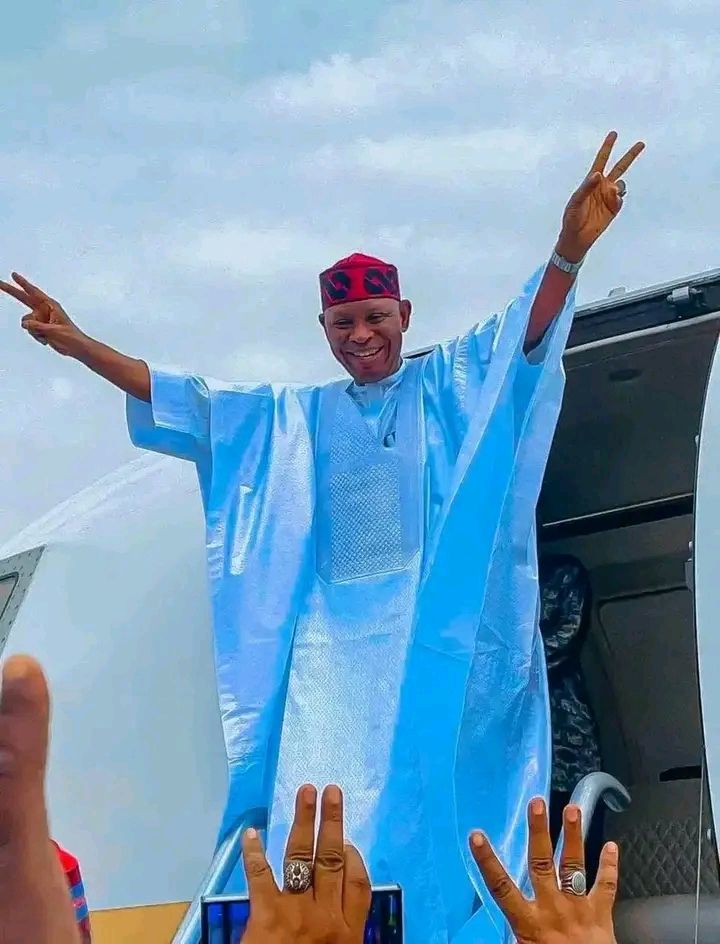
Governor Mohammed Bago of Niger State has been accused of targeting journalists who report on insecurity in the state.
The Centre for Journalism Innovation and Development (CJID) condemned the governor’s directive to shut down Badeggi FM Radio and revoke its license, citing it as a “grave assault on press freedom” and a violation of Nigeria’s Constitution .
Journalists in Niger State have faced intimidation and harassment, with some being summoned by security agencies for questioning.
The Nigeria Union of Journalists (NUJ) has intervened on several occasions to protect journalists from harassment by the state government .
Governor Bago has denied allegations of press suppression, stating that his administration is committed to addressing insecurity in the state.
However, critics argue that his actions are stifling press freedom and undermining efforts to hold the government accountable .
The report examines a pattern of harassment, intimidation and abuse of power by Governor Bago against journalists who report on insecurity in Niger State.
On 31 October 2024, a retired civil servant, Yakubu Dada, and his wife were kidnapped by bandits on the Kontagora-Minna road. The bandits, who initially demanded N10 million, raised the ransom to N100 million after Mr Dada’s two other wives sold their home and other property to raise the initial amount demanded.
On Wednesday, 7 May, at the commissioning of the permanent North‑Central Zonal Office Complex of the National Centre for the Control of Small Arms and Light Weapons (NCCSALW), in Minna, the state capital, Ibrahim Ndamitso, a freelance journalist with the BBC, who as of then was a freelance reporter for Channels TV, asked the governor what the state was doing to rescue Mr Dada from the bandits.
Angered by Mr Ndamitso’s question, the governor accused him of working with the bandits, saying the journalist could not have known about the kidnapping case if he were not working with the bandits.
Many national newspapers reported the story, but the governor claimed he was unaware of the kidnapping and directed the commissioner of police to take the journalist into custody and profile him.
“The national dailies already reported the story. It was already public information, so there was nothing special about it. It wasn’t an intel or so, it was general information,” Mr Ndamitso said in an interview with PREMIUM TIMES.
“At the police headquarters, they requested some personal details, including my phone numbers, address, my account numbers, and date of birth, and I gave them all because I have nothing to hide. I have a legitimate means of earning a living. I’ve never been involved in crime, so I made everything available, and that’s all.

About The Author