By Mahmoud Muhammad Kano
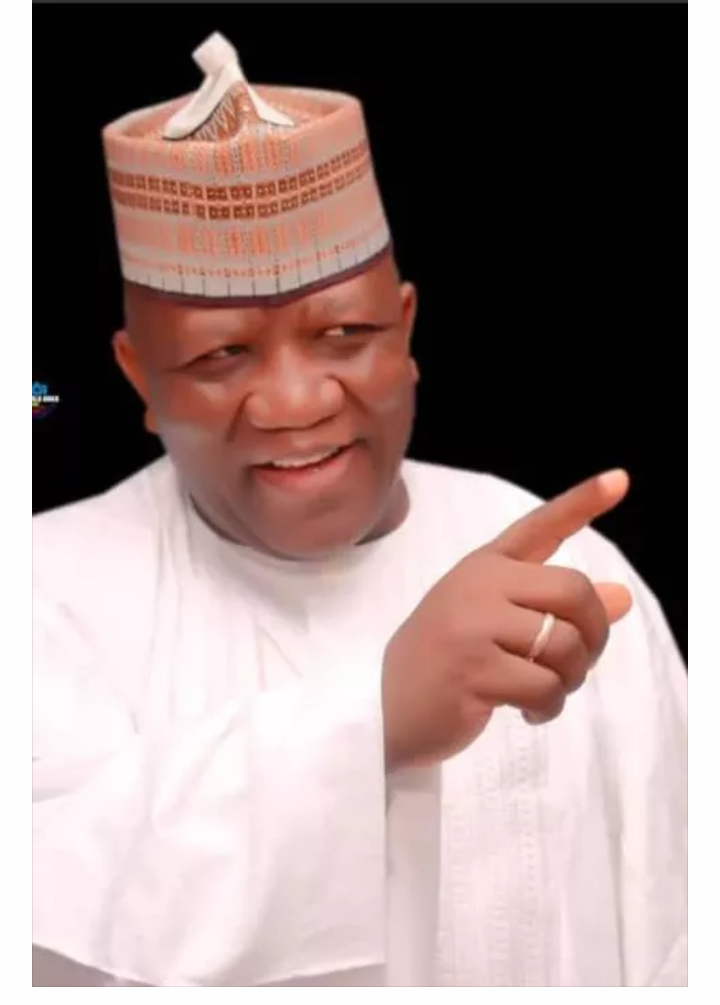
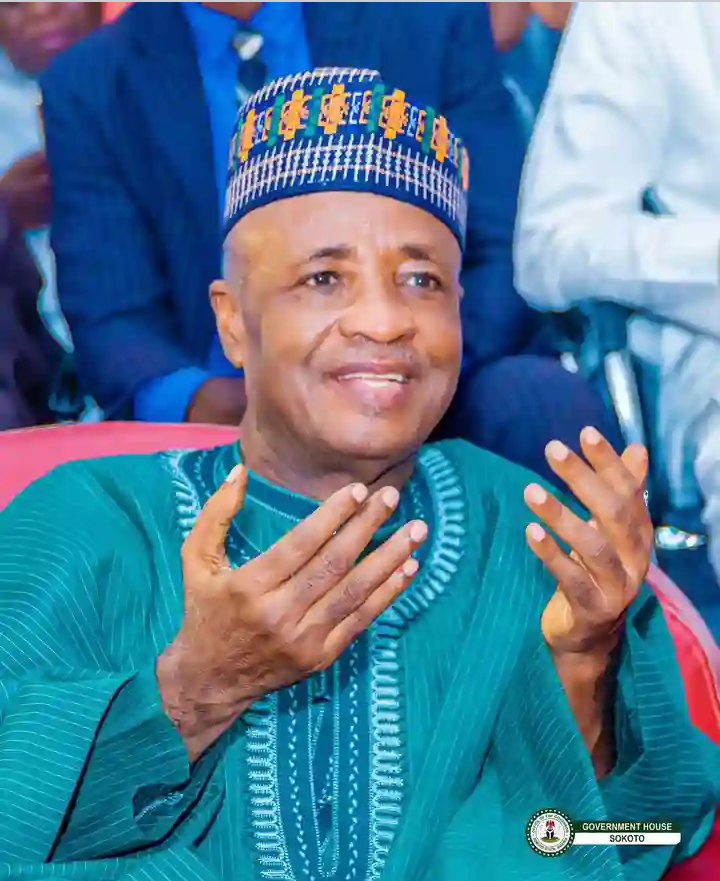
Sen. Aliyu Magatakarda Wamakko
A careful analysis of political relationship management and its democratic value chain reveals that Sokoto State has remained significantly ahead not only within the former North-Western Region that once comprised Sokoto and Niger States but also beyond that historical divide. In contemporary Nigeria, Sokoto State stands out as one of the most peaceful and politically stable entities, successfully preserving the legacy of leadership that gave birth to Kebbi, Zamfara, and Niger States.
When considered together, the geographical spread and population of the old Sokoto State could comfortably compare with those of a sovereign nation. This historical depth partly explains its enduring political maturity.
In retrospect, Sokoto State has been blessed with leaders of thought and purpose since the Second Republic under President Shehu Shagari. Today, the state is witnessing remarkable growth and development, particularly in the area of peaceful coexistence among the political class. The unity and calm currently enjoyed appear to be generated largely from the open-door political culture adopted by its elites.
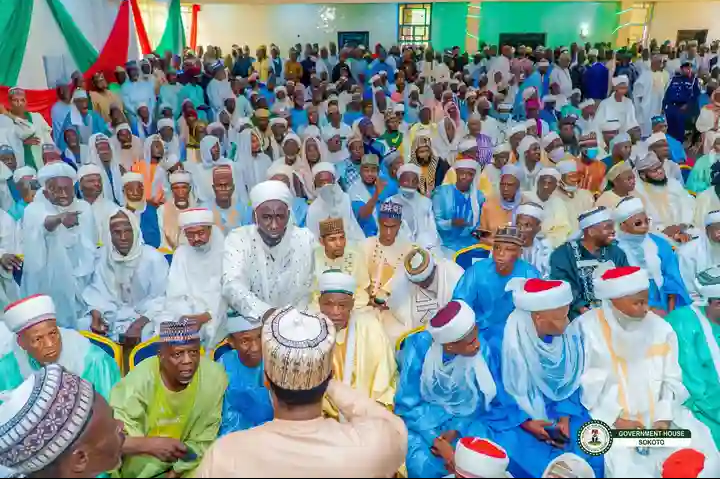
A striking example of this inclusive political lifestyle is seen in what may be described as public life diplomacy, where the political mentor and former governor, Distinguished Senator Aliyu Magatakarda Wamakko, alongside the incumbent governor, His Excellency Ahmad Aliyu Sokoto, PhD, FCNA, are frequently seen attending weddings and social events across Sokoto and its environs. They often spend hours presiding over such occasions in the midst of thousands of ordinary citizens an uncommon but powerful demonstration of democratic accessibility.
This cordial political culture was largely spearheaded by Senator Aliyu Magatakarda Wamakko, a seasoned public servant and politician of national repute. His leadership style reflects the deliberate deployment of charisma through patience, tolerance, and responsiveness to societal concerns. Wamakko appears to have internalised the centrality of patience, a virtue mentioned over ninety times in the Holy Qur’an,
underscoring its universal relevance to leadership among Muslims and non-Muslims alike.
To be fair, Wamakko has had numerous opportunities to distance himself from the grassroots, yet he remains remarkably accessible, even to the downtrodden. His wealth whether perceived as legitimate or otherwise has consistently been deployed in ways that Echoes with the masses. This, perhaps, constitutes his enduring political secret: winning hearts and minds through personal conduct rather than transactional politics. The victory of the APC in Sokoto during the 2023 general elections, culminating in the emergence of his son, Ahmed Aliyu, as governor, was therefore not accidental or miraculous, but a reflection of long-standing political behaviour anchored in democratic values. This has significantly testified that good leadership and governance doesn’t care about political party, meaning that magatakarda can win election even with the least minority party.
On Saturday evening, January 10, I listened attentively to speeches delivered by various personalities during a programme aired on Rima Radio, Sokoto on the occasionof ten years anniversaryof a privateradiostation-visionFM. Many of the speakers testified to how they had been mentored into becoming responsible and productive members of society. Of particular note was Governor Ahmad Aliyu himself, whom I have known for decades—from his early days as a student of Local Government Administration to his attainment of a Doctor of Philosophy degree. His Excellency speaks with clarity and confidence, displaying a refined command of language reminiscent of global democratic communicators such as Barack Obama—measured, articulate, and polished. Umar Farouk Musa a veteran journalist and Prof Bada if Usmanu Dafodiyo University were among respected guests that spoke on Aliyu Magatakarda Wamakko’s legendary captivating legacy.
In contrast, Kebbi and Zamfara States do not appear to enjoy similar levels of political harmony and relational synergy. In Zamfara, in particular, this gap is more pronounced. Governor Dauda Lawal seems largely absent from the kind of inclusive political engagement that has become the hallmark of Sokoto politics. Senator Wamakko’s political grandstanding and comfort within the democratic space remain unparalleled—not only in these neighbouring states but across the nation—largely because he has mastered the balance between authority and accessibility.
The relationship between the executive and legislature in Zamfara State has remained unstable over the years. Several political actors privately complain that Governor Dauda Lawal is excessively reserved and difficult to access—whether in office, at home in Zamfara, or in Abuja. If these assertions hold any truth, then coherence in governance demands that the governor draws lessons from classical politicians like Wamakko. A functional democracy requires leaders who can distinguish between the theory and practice of democracy, while adapting both to Nigeria’s unique sociopolitical realities.
Ultimately, money matters less in winning elections and consolidating political authority than sustained human relationships, humility, and democratic patience. Sokoto State’s experience offers a compelling lesson: democracy thrives not merely on power, but on presence, empathy, and enduring relationships.
Contact indagi3792@gmail.com
07060766191


About The Author