By Mahmoud Muhammad Kano
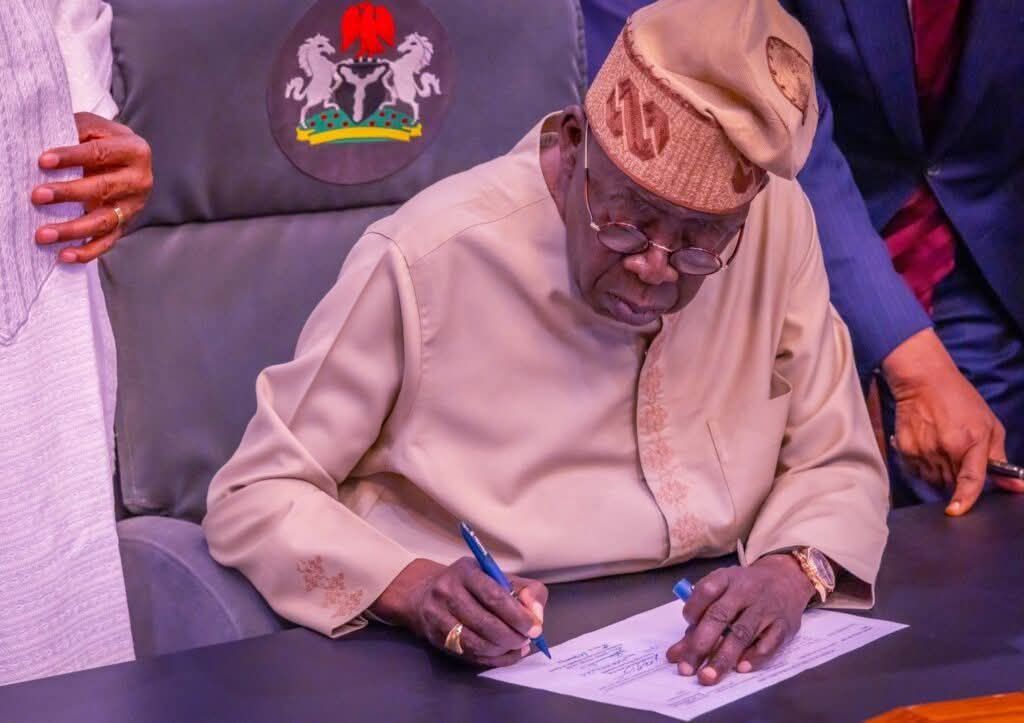
President Bola Tinubu has approved a ₦3.3 trillion payment plan to settle outstanding debts in the power sector under the Presidential Power Sector Financial Reforms Programme. This move aims to resolve long-standing financial challenges that have plagued Nigeria’s electricity industry for over a decade. ¹ ² ³
The debts, accumulated between February 2015 and March 2025, were thoroughly reviewed and verified, with ₦3.3 trillion agreed as a full and final settlement. Implementation has already begun, with 15 power plants signing settlement agreements totalling ₦2.3 trillion. The Federal Government has mobilised ₦501 billion to fund the payments, of which ₦223 billion has been disbursed.
The approval is expected to stabilise the power generation value chain, improve electricity reliability, and attract more investment. Olu Arowolo-Verheijen, Special Adviser on Energy to President Tinubu, stated that the programme goes beyond settling legacy debts, aiming to restore confidence across the power sector and ensure gas suppliers are paid, power plants can keep running, and the system begins to work more reliably.
The government prioritises power supply to businesses, industries, and small enterprises, as reliable electricity is critical to creating jobs, supporting livelihoods, and growing the economy. The next phase of the programme, Series II, is scheduled to commence later this quarter.
The move is part of broader reforms underway, including better metering and service-based tariffs that link what you pay to the quality of electricity you receive. Would you like to know more about the impact of this settlement on Nigeria’s power sector or the next steps in the reform programme?
About The Author