Editor
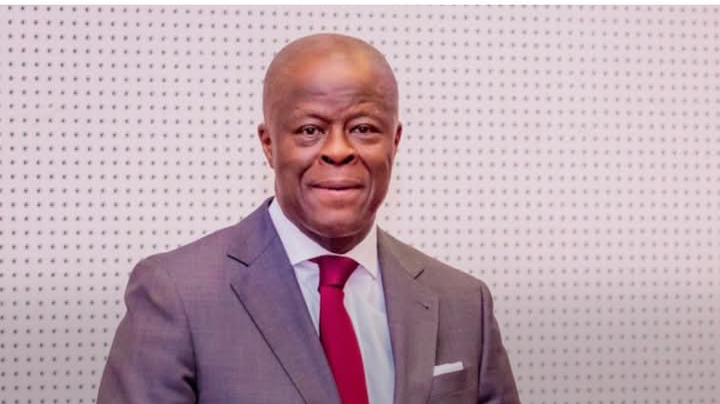
Nigeria’s Finance Minister, Wale Edun, has warned that the country cannot rely on borrowing to fund its budget. This comes as the government faces criticism for its increasing debt profile and lack of fiscal discipline.
The minister’s statement is a stark reminder that Nigeria’s economic woes cannot be solved by simply taking on more debt. With a growing population and limited revenue streams, the country needs to explore alternative sources of funding.
One option is to boost domestic revenue mobilization through tax reforms and improved tax administration. This could involve broadening the tax base, reducing exemptions, and increasing efficiency in tax collection.
Another approach is to prioritize investments in key sectors such as agriculture, manufacturing, and infrastructure. This could stimulate economic growth, create jobs, and increase government revenue.
However, these efforts will require strong institutional reforms and a commitment to transparency and accountability. Corruption and mismanagement of public funds remain major challenges.
The international community is watching Nigeria’s economic policies closely. A credible plan to address the country’s financial challenges could attract foreign investment and support.
Nigeria’s economic future hangs in the balance. Will the government take bold steps to address its financial challenges or continue down the path of debt and dependency?
The signs are not encouraging. Despite warnings from the Finance Minister, the government has continued to increase borrowing.
The consequences of inaction will be severe. Nigeria risks falling into a debt trap, with limited options for economic recovery.
The government must act now to address the country’s financial challenges. The alternative is unthinkable.
About The Author