By Our Correspondent
The Federal Government under Bola Tinubu has defended its ongoing economic reforms, including the removal of fuel subsidy, maintaining that the measures are aimed at securing long-term stability despite the current hardship faced by Nigerians.
Minister of Information and National Orientation, Mohammed Idris, stated this while receiving an award in Lagos, noting that the administration remains committed to policies designed to reposition the country’s economy.
He explained that key decisions such as the fuel subsidy removal, foreign exchange adjustments, and broader fiscal restructuring are necessary steps toward achieving sustainable economic growth.
“As we navigate major policy shifts, our approach has centered on clarity, consistency, and credibility,” Idris said, adding that the government is prioritizing transparent communication with citizens while emphasizing the long-term benefits of the reforms.
He also underscored the importance of open dialogue between the government and the public, stressing that effective communication is central to governance and trust-building.
Despite these assurances, the reforms have continued to generate widespread hardship, with rising fuel prices, inflation, and a higher cost of living impacting millions across the country.
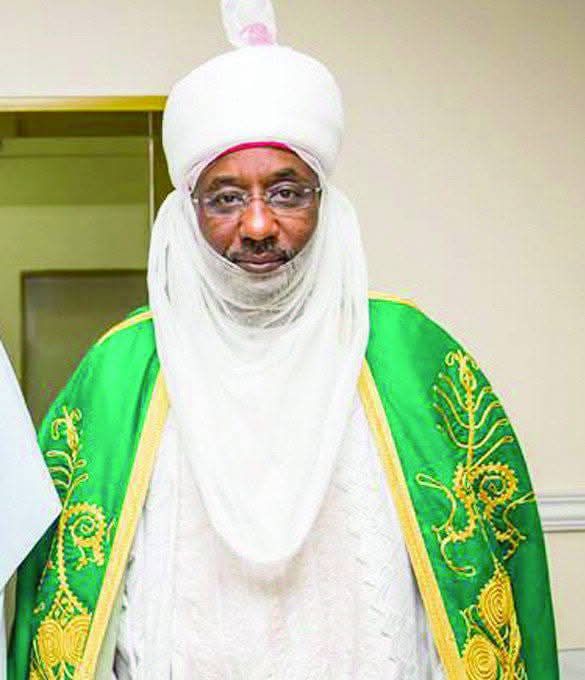
Meanwhile, the Emir of Kano, Muhammadu Sanusi II, raised concerns over the government’s fiscal direction, questioning the continued reliance on borrowing despite savings from the subsidy removal.
He warned that without strict fiscal discipline, Nigerians may not experience the intended benefits of the reforms.
“We’ve removed the subsidy… what we should not see is continued borrowing,” he cautioned.
The differing views highlight growing public concern over Nigeria’s economic trajectory, as citizens continue to weigh present difficulties against the promise of future economic gains.
About The Author