KANO, 24th June 2026 – Opinion Analysis
1. The Waiya Surge
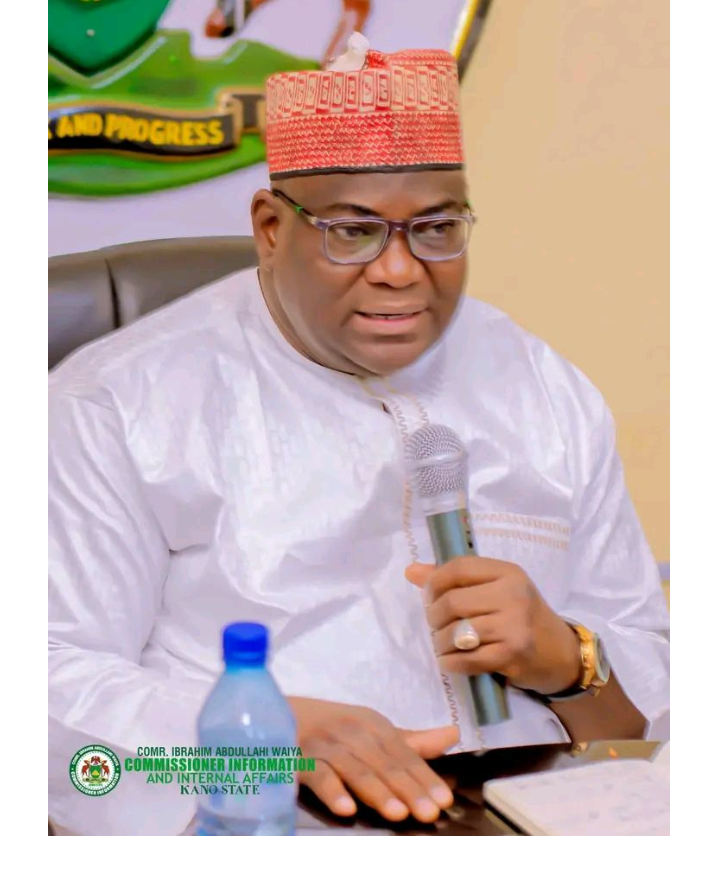
Over the past few days, Kano’s online media has been flooded with articles celebrating Comr. Ibrahim Abdullahi Waiya, Commissioner for Information and Internal Affairs. Different bylines, same theme: he’s accessible, indispensable, and the glue holding Gov. Abba Kabir Yusuf’s administration together. The timing and uniformity raised eyebrows across the state’s media space.
2. No Commissioner is Bigger Than Government
The core problem with the “indispensable man” narrative is constitutional. Democracy runs on institutions, not individuals. No commissioner, no matter how competent, is bigger than government. To suggest governance would collapse without one appointee reduces institutions to personalities — and that’s dangerous for Kano.
3. Media Ethics Under Scrutiny
The bigger story is not Waiya’s performance, but how journalism handled it. When multiple outlets publish near-identical praise pieces within days, readers ask: was this editorial judgment, or coordinated content? Opinion pages are meant to be marketplaces of ideas, not marketplaces of influence.
4. Praise Without Proof is Promotion
Most of the Waiya articles lacked measurable data. Few cited independent verification, budgets saved, policies drafted, or public feedback surveys. Instead, they leaned on adjectives: “visionary,” “accessible,” “unmatched.” That’s PR language, not analysis. Readers can tell the difference.
5. Silence Creates Speculation
There’s no public evidence linking Waiya to sponsoring the articles. But his silence allowed speculation to grow. Public officials who benefit from excessive praise have a responsibility to clarify. A simple statement distancing himself from orchestrated campaigns would protect both his name and the integrity of the ministry he oversees.
6. The Real Crisis: Commercialized Opinion
Journalists privately admit it: opinion pages are being monetized. “If it comes with incentive, publish it” is becoming a rule for some platforms. The result: political branding sold as analysis. When PR is repackaged as discourse, readers lose trust — and democracy loses a watchdog.
7. Kano Deserves Scrutiny, Not Worship
Kano’s media history is proud. From Kano Citizen to Triumph, the state produced journalists who challenged power. Today, personality worship replaces scrutiny. That shift hurts the public more than any single commissioner. Voters need data, dissent, and debate — not hagiography.
8. The Titan Test
Waiya may be a “titan” in communication strategy. But titans are tested by criticism, not just applause. Underrating his work is unfair if he’s delivering results. Overrating it is worse if the goal is image management. Kano deserves better: a media that asks hard questions, and officials who welcome them.
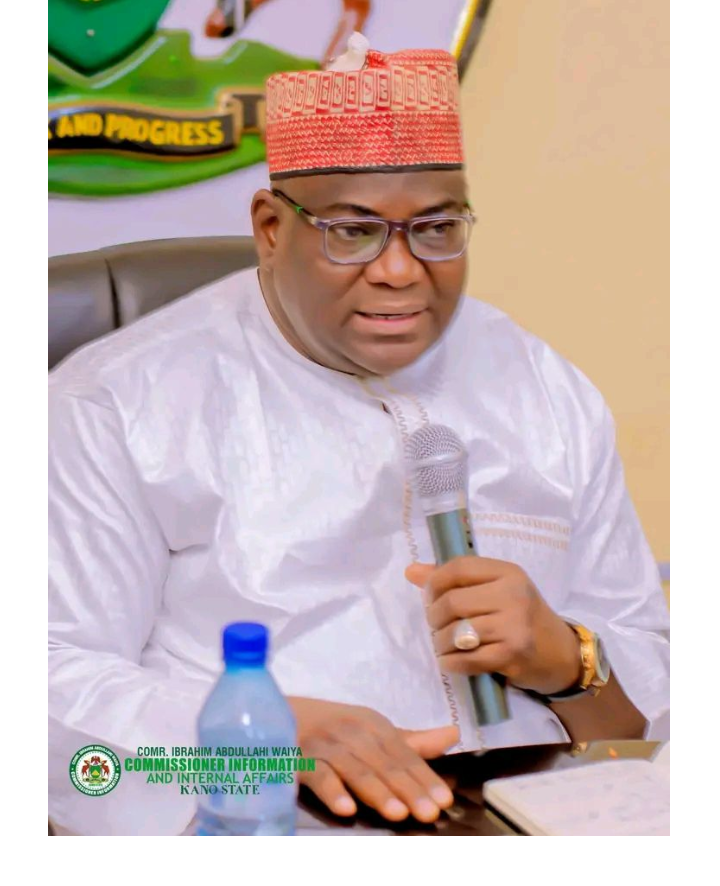
Until opinion pages return to their original role, every praise piece will be read with suspicion — not because Waiya is guilty, but because journalism itself is on trial.
MAHMOUD is Kano base political analyst and also publisher of the Northern Star online newspapers
07060766191
About The Author