By Editor
The plight of displaced children in Sokoto’s IDP camps is a ticking time bomb. Usman Mohammed Binji, Chairman of the NUJ Sokoto State Council, sheds light on the urgent need for educational support. Many school-age children are idle, vulnerable to exploitation, and losing their childhood.
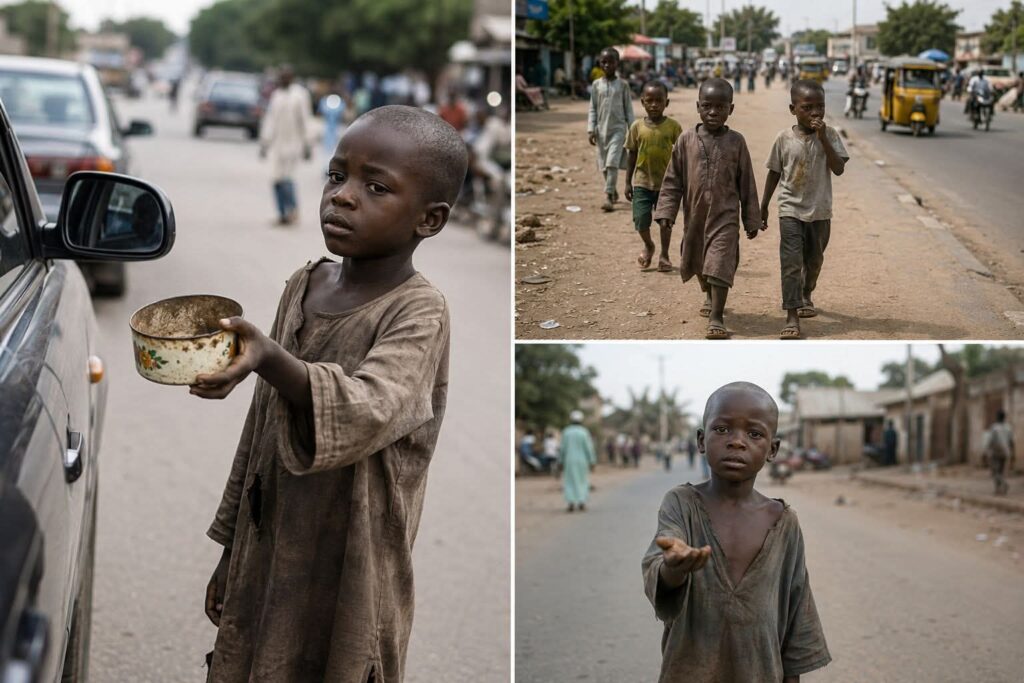
Binji’s visit to Ramin Kura and Guiwa Eka camps revealed a dire situation: children begging on streets, no structured learning, and a future uncertain. The scenes he witnessed were heart-wrenching – young minds full of potential, yet neglected and left to fiddle with fate.
The community, especially Islamic faith-based associations, must complement government efforts. Islam places great emphasis on knowledge, compassion, and care for the vulnerable, particularly children. These values should not remain theoretical; they must be translated into practical action.
It’s time for action – volunteer teaching, donations, and support can restore hope and dignity to these young survivors. The wider community also has an important responsibility. Wealthy individuals, philanthropists, professional associations, and community leaders can support educational initiatives through donations, teaching materials, scholarships, and volunteer services.
Even small contributions can make a significant difference in the lives of displaced children. A book, a pen, or a kind word can ignite a spark of hope in their young minds. The question is: will we act before it’s too late?
The absence of structured learning is exposing these children to neglect, trauma, and other social vulnerabilities that could have long-term consequences. Every day spent outside the classroom is a day lost in their development. Every child left without guidance becomes more vulnerable to exploitation, negative influences, and social problems.
The situation is a call to action for all stakeholders – government agencies, community leaders, and well-meaning citizens. We must work together to address this challenge. The government has a primary responsibility to provide education, but it’s equally important for the community to support these efforts.
Islamic organizations, scholars, and charitable groups can help establish learning centers within IDP camps. These centers can provide basic formal education, Islamic moral instruction, mentorship, and psychosocial support to help restore hope and confidence among these young survivors.
Volunteer teachers and community educators can play a vital role in this endeavor. They can provide literacy classes, skills training, and guidance to help these children regain their footing. The impact of such efforts will be felt for generations to come.
The plight of these children is a shared responsibility. We must put aside differences and work towards a common goal – ensuring these young minds receive the education they deserve. The future of Sokoto’s IDP children hangs in the balance, and it’s up to us to tip the scales in their favor.
As Binji aptly puts it, “These young survivors deserve more than survival. They deserve education. They deserve protection. Above all, they deserve a future filled with opportunity, purpose, and hope.”
The ball is in our court. Will we act?
Called by Editor -in-Chief MAHMOUD MUHAMMAD
About The Author