By Editor
The lights keep flickering across northern Nigeria.
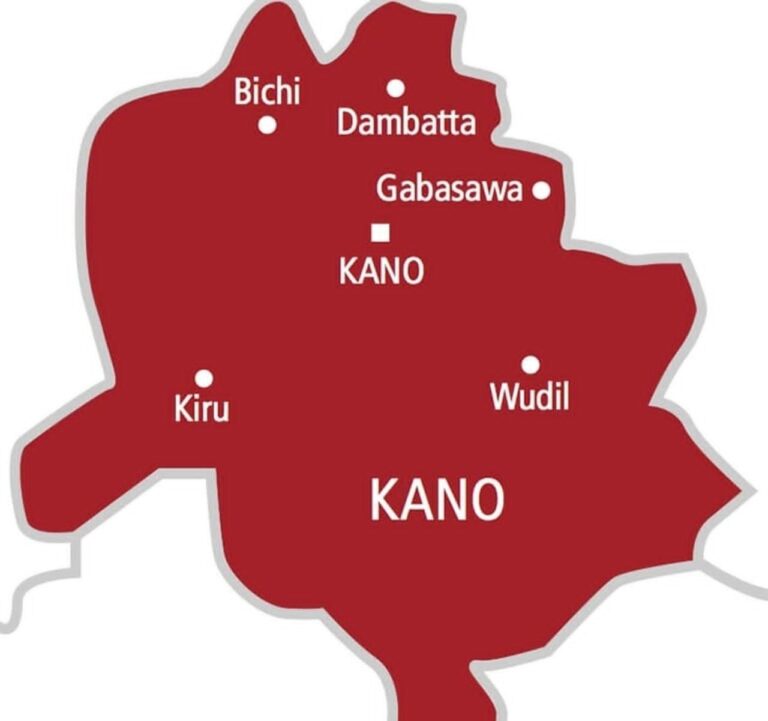
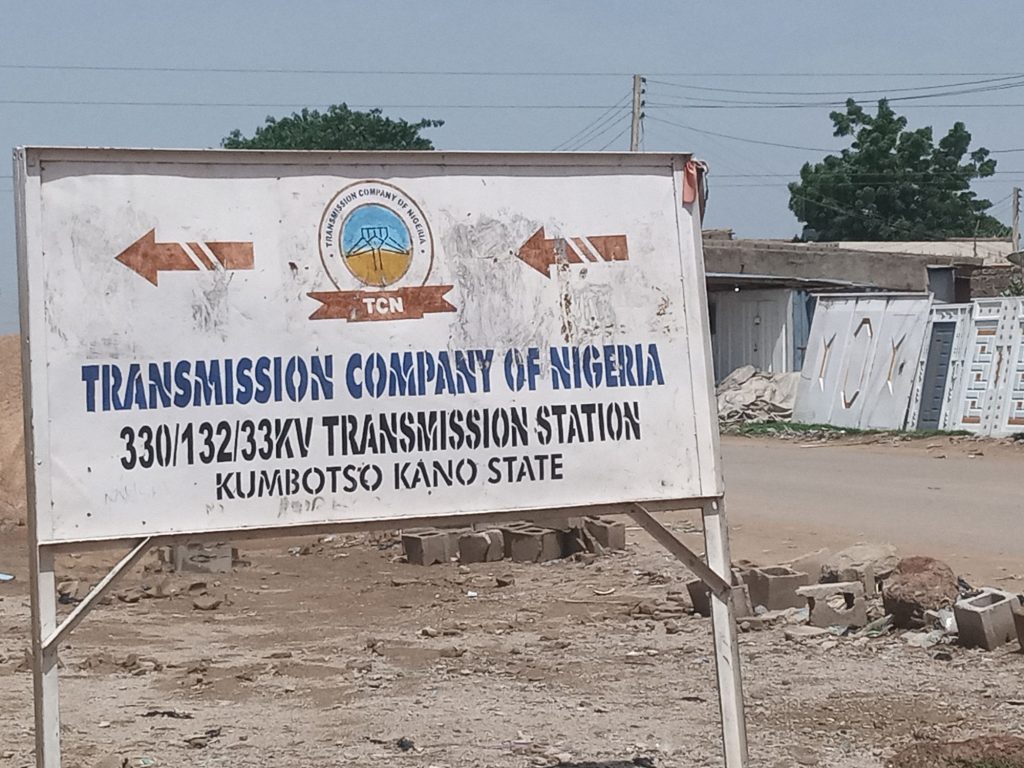
In Kano, Jigawa and Katsina, evenings that should buzz with activity end early. Shops shut down when generators cough to a stop. Students read by torchlight. At the center of it all is the Transmission Company of Nigeria’s Kumbotso injection station, designed to deliver 370 megawatts but now struggling to keep up.
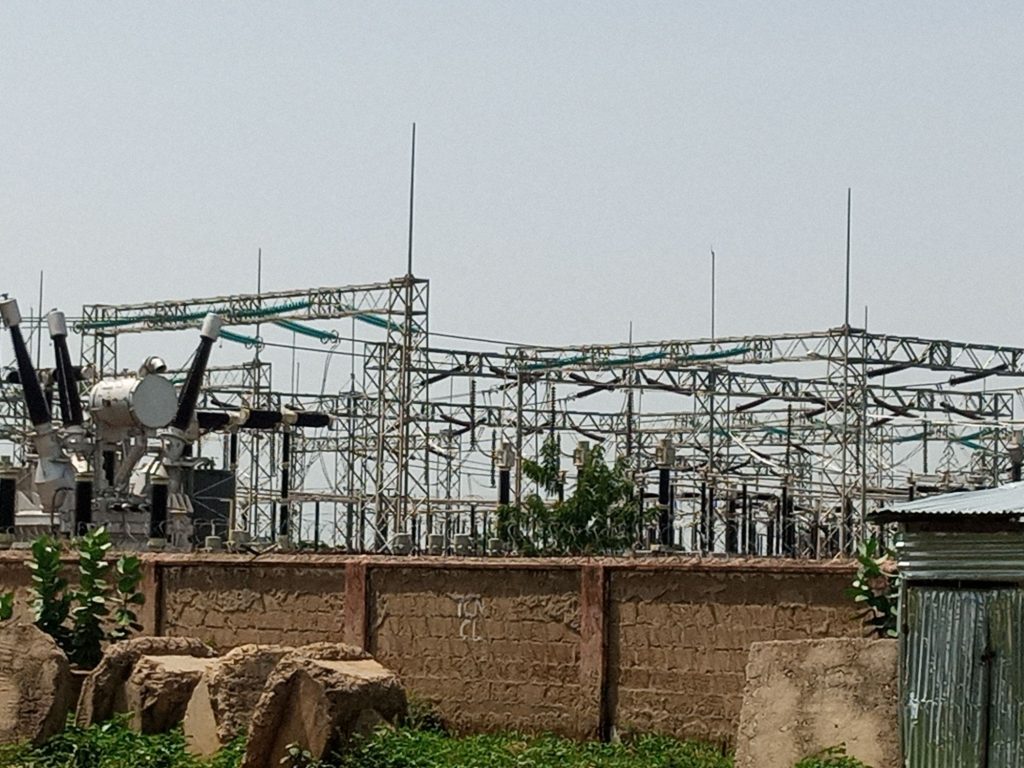
The station sits on the edge of Kano, a critical node in the national grid.
It was built to carry power from the 330-kilovolt transmission network and push it into homes, hospitals, factories and markets across three states. For years it was the backbone of electricity supply in the northwest. Today, that backbone is showing cracks.
Demand has grown faster than the infrastructure.
Population growth, new businesses, and government promises to expand electricity access have all increased the load. Yet Kumbotso’s output has been dwindling. Residents say outages have become longer, and voltage fluctuations more common.
The physical state of the station tells its own story.
An investigation by The Northern Star found the premises neglected. Grass had grown tall around equipment. Rats were seen around cables and control rooms. The image did not match the seriousness of a facility meant to power millions of people.
Inside, accountability appeared thin.
Senior officials were not on ground when journalists visited. Junior staff were left to answer questions they were not authorized to address. The absence of leadership at a time of crisis has added to public frustration.
Distribution companies are feeling the squeeze too.
Kano Electricity Distribution Company, or KEDCO, is said to have received less than required supply from TCN for about 11 months. The shortfall has been linked to ongoing maintenance and repairs along the Kaduna-Kano transmission line, a major artery feeding the region.
TCN says the disruptions are deliberate and temporary.
The company announced scheduled maintenance at the Kumbotso 330-kilovolt substation. The goal, according to TCN, is to upgrade critical transmission equipment. If completed, the work should strengthen the network and improve reliability across Kano, Jigawa and Katsina.
But “temporary” has become a hard word to trust.
Frequent outages have stretched patience. For a welder in Katsina, every cut means lost income. For a cold room operator in Kano, it means spoiled goods. For a student in Jigawa preparing for exams, it means another night without light to read.
The timing is politically sensitive.
President Tinubu’s administration has made improving electricity supply a key talking point. Nigerians were promised better service delivery and less reliance on generators. The situation at Kumbotso suggests the gap between policy and reality is still wide.
Engineers argue the problem is not just about megawatts.
It is about maintenance culture, funding, security of assets, and coordination between transmission and distribution companies. Until those fundamentals are fixed, adding more capacity may not solve the problem. A station can be upgraded, but if it is not properly managed, the cycle will repeat.
For now, three states wait.
The promise is a stronger grid after the maintenance. The reality is darkness, noise from generators, and rising costs. Kumbotso’s struggle is no longer just a technical issue. It has become a test of how quickly Nigeria can turn promises of stable power into light that stays on.
By Editor -in-Chief
About The Author