By Mahmoud
ASAD Group is operating more than 35 filling stations across Northern Nigeria as part of its expanding downstream petroleum business and distribution network.
The group’s extensive network is expected to play a key role in supporting the nationwide distribution of products from its lubricant subsidiary, ASAD Lubricants.
The Managing Director of ASAD Lubricants, Dr Abdullahi Shema, said the company would leverage the existing network of filling stations to make its products accessible to customers across the country.
He said the group’s established presence in Northern Nigeria provides an important platform for the distribution and retail of locally manufactured lubricants.
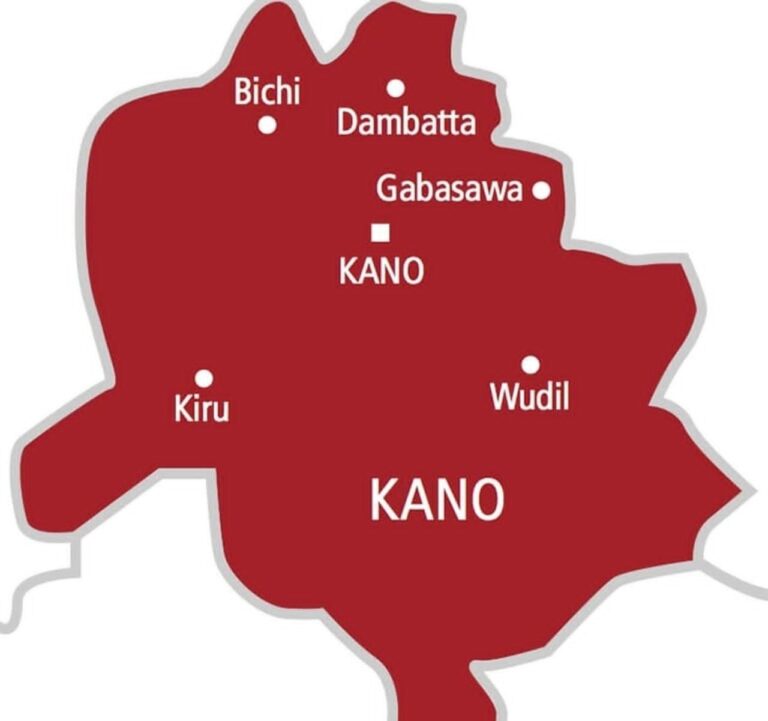
ASAD Lubricants is preparing to commence commercial production in Kano, with an installed capacity of 35 million litres of lubricants annually.
At full production capacity, the company is targeting an output of about three million litres of lubricants monthly.
Shema said the company would produce petrol and diesel engine oils, gear oils, hydraulic oils and automatic transmission fluids.
The product range will also include motorcycle oils and lubricating greases to meet the needs of motorists, mechanics, businesses and other consumers.
According to him, ASAD Lubricants will not rely solely on the group’s filling stations, but will also work with independent distributors, dealers, workshops and other partners.
He said the combined distribution network would enable the company to expand its reach beyond Northern Nigeria and supply customers in different parts of the country.
The investment is also expected to create more than 500 direct jobs, alongside hundreds of indirect employment opportunities in transportation, distribution, retail, dealerships and maintenance.
Shema added that ASAD Lubricants would support young Nigerians through technical, vocational and skills-acquisition programmes as part of its contribution to employment and human-capital development.
He said the expansion reflected ASAD Group’s commitment to domestic manufacturing, local supply chains and economic development, stressing that the company was “building in Kano” but targeting the Nigerian market as a whole.
About The Author