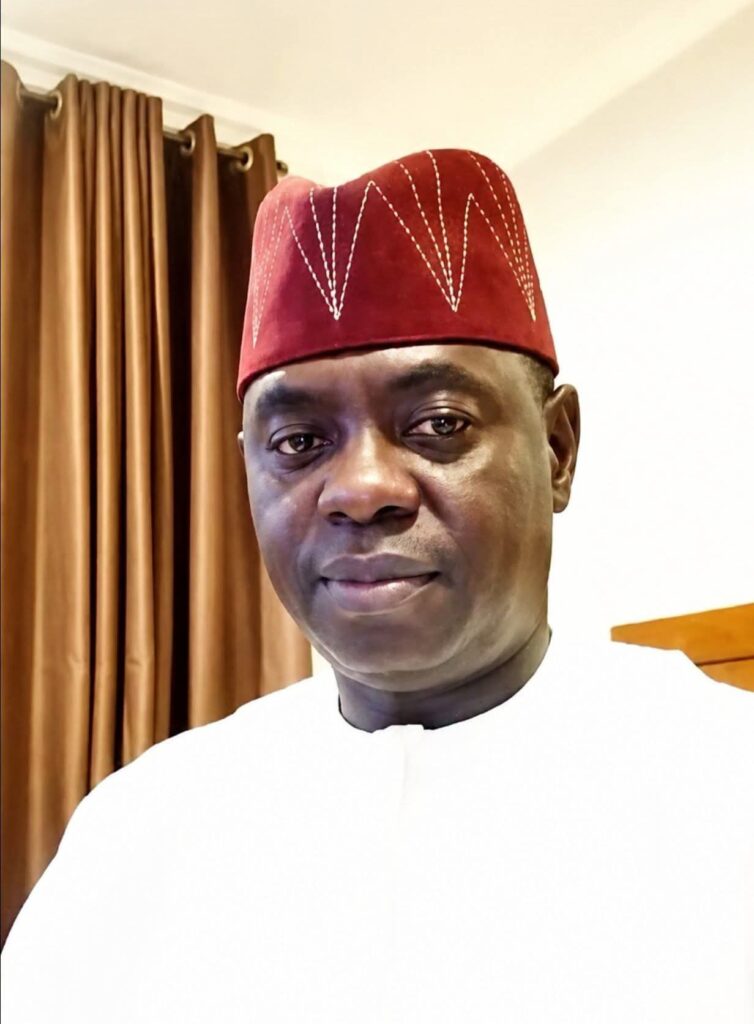
By Editor
Political analyst Isa Ado Maidoya has said he does not sympathize with Senator Rufai Hanga over reports of internal disagreements and alleged betrayal within the Kwankwasiyya movement.
Speaking during an interview, Maidoya argued that political leaders should expect shifting alliances and changing loyalties, describing such developments as part of the realities of democratic politics.
According to him, politicians who have spent years in public life understand that support within political movements can change depending on circumstances and strategic interests.
Maidoya maintained that political disagreements should be resolved through dialogue rather than public exchanges, adding that internal disputes often test the strength and unity of political organizations.
He further stated that the reported tensions within the movement should encourage party stakeholders to engage in constructive discussions aimed at preserving cohesion and addressing members’ concerns.
The analyst also urged political actors to focus on policies and governance rather than allowing internal conflicts to dominate public discourse, saying citizens are more interested in issues that affect their daily lives.
Commenting on Senator Hanga’s situation, Maidoya reiterated that he personally felt no sympathy, describing the developments as part of the normal risks associated with political leadership. This reflects Maidoya’s opinion and has not been independently verified.
As political activities continue, observers say developments within the Kwankwasiyya movement are likely to remain a subject of public interest, while those involved are expected to respond to the issues raised in their own words.
Political Analyst Isa Ado Maidoya has said he feels no sympathy for Senator Rufai Hanga over reports of betrayal within the Kwankwasiyya movement.
In a statement made in Hausa and shared widely online, Maidoya argued that the senator’s present situation reflects what he once did to his own loyalists, adding that “betrayal begets betrayal.”
According to Maidoya, the senator is now facing the same kind of treatment, who stood behind him.
He maintained that the current ordeal inside Kwankwasiyya mirrors the way Hanga dealt with close aides during his own time of influence.
The commentator pointed specifically to former aides who served directly under the senator.
He claimed that many of them left the camp without any real support or structure to fall back on, despite years of service and loyalty to Hanga’s political brand.
Maidoya focused his criticism on the condition of several directors who worked with Hanga. He alleged that throughout their time in the senator’s camp, none of them was able to build meaningful financial stability or secure a future for their families.
To illustrate the point, he claimed that not a single one of those directors managed to save up to ₦5 million in a bank account while serving under Hanga. For Maidoya, that figure was evidence of a pattern of neglect toward people who gave their time and energy to the senator.
The most cited example in the statement was Hanga’s chief director. Maidoya said that despite long years of service, the aide still lives in a rented apartment to this day and has not been able to move beyond that situation.
He attributed this to what he described as a lack of proper care and backing from the senator. In his view, without deliberate support from a principal, loyal staff are left to struggle on their own long after their service ends.
Maidoya added that the hardship is so severe that even rent payments have to be made in bits. He used the Hausa phrase “karo karo” to describe how the chief director pays house rent in installments because there is no lump sum available.
Given that history, Maidoya concluded that there is little ground to feel pity for Senator Hanga now. saying that when a leader does not take care of his own, he should not expect sympathy when he is also treated the same way by others.
About The Author