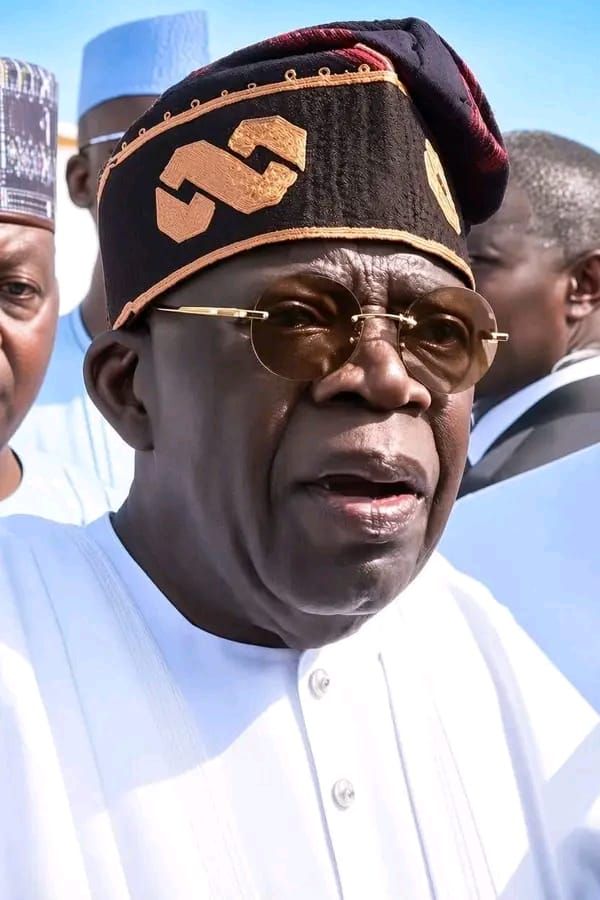
With the 2027 governorship election drawing closer, Kaduna State Governor, Senator Uba Sani, is increasingly focused on consolidating his political position and securing a second term in office, even as a fresh challenge involving the state’s academic community threatens to draw attention to his administration.Governor Sani’s political calculation is straightforward: win another four-year mandate, complete what would amount to eight years in office, and only thereafter determine who should succeed him as governor of Kaduna State.Having successfully reclaimed Kaduna for the ruling All Progressives Congress (APC) after the party’s setback in the 2023 general election, Sani now faces the more immediate task of defending his political territory and convincing voters that his administration deserves another term.His supporters argue that the 2027 election will provide an opportunity for the governor to consolidate projects and policies already initiated by his administration, rather than diverting attention prematurely to the question of who will succeed him.But while the governor’s political machinery is expected to become increasingly active ahead of the election, developments within the state’s education sector could become an important issue for his administration.The reported threat by more than 200 lecturers to resign under the platform of the Academic Staff Union of Universities (ASUU) has raised concerns about the stability of tertiary education in the state and could create an additional political challenge for the government.The lecturers’ position, if allowed to escalate, could have consequences beyond the university environment, particularly because education remains one of the issues that voters routinely use to assess the performance of governments.For Governor Sani, therefore, the challenge is to balance his political preparations with the responsibilities of governance, especially in sectors where industrial disputes can quickly generate public concern.The governor’s political strength in Kaduna is not necessarily in doubt. His administration has continued to position itself around development, security, infrastructure and social interventions, while the APC has been working to maintain the political advantage created by its recovery of the state.However, winning a second term requires more than controlling the political structure. It also requires maintaining public confidence and preventing avoidable controversies from becoming major campaign issues.The issue involving the lecturers could therefore test the administration’s ability to engage stakeholders, address grievances and prevent an industrial dispute from disrupting academic activities.For the APC, the stakes are particularly high because the 2027 election will determine whether the party can retain the Kaduna Government House beyond Sani’s second-term bid and establish the foundation for a future succession arrangement.Governor Sani may also have to manage competing interests within the party as politicians begin positioning themselves for the post-2027 succession. Although the governor’s immediate priority is expected to remain his own re-election, potential successors will inevitably begin building networks.That succession question, however, is unlikely to become the governor’s central political concern until he has secured a fresh mandate. The political logic is clear: first win the election, then decide who should inherit the political structure.For now, the ball is firmly in Governor Sani’s court. His ability to combine political mobilisation with effective governance, particularly in sensitive areas such as education, will be crucial to the success of his second-term campaign.The 2027 contest is therefore shaping up as a test not only of the governor’s popularity but also of his administration’s capacity to manage emerging challenges without losing focus on its broader development agenda.As political activities intensify, the handling of the lecturers’ grievances could become an early indication of how effectively the administration manages pressure from organised groups and whether it can keep potentially disruptive issues from overshadowing its achievements.Ultimately, Governor Sani’s immediate political objective is clear: secure another four years in Kaduna, consolidate his legacy and, after completing two terms, determine the direction of the state’s political succession. But before that ambition can become reality, his administration must navigate the challenges before it—including the growing concerns surrounding the reported threatened resignation of more than 200 lecturers.
About The Author