By Editor
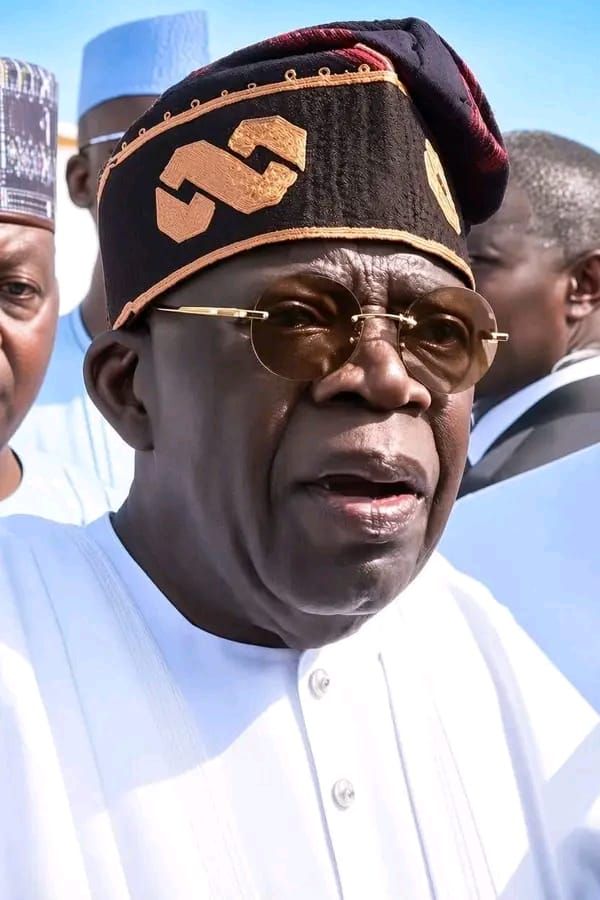
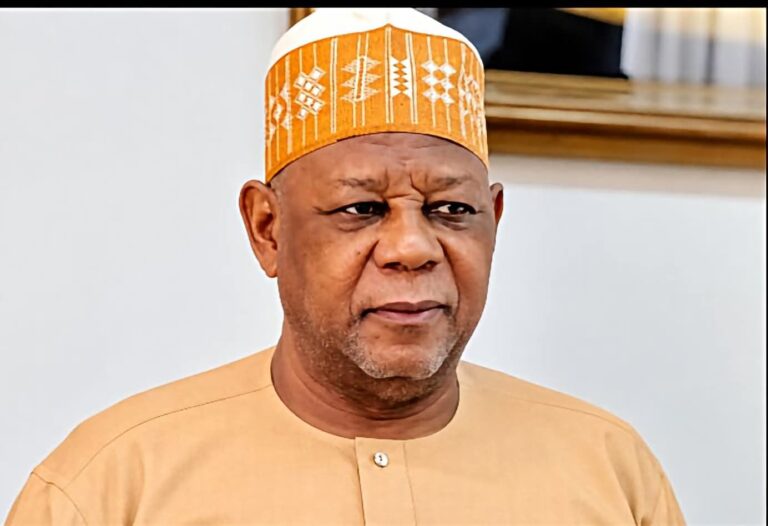
ABUJA — President Bola Ahmed Tinubu and Vice President Kashim Shettima’s recent movements outside Nigeria have renewed debate over the administration’s foreign engagements, coming at a time the country’s political parties have commenced activities towards the 2027 general elections.
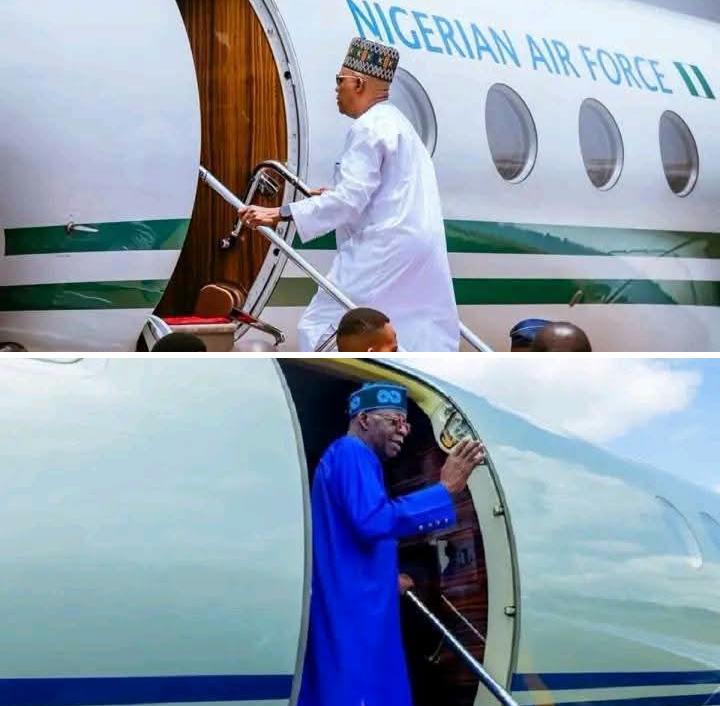
Tinubu on Sunday, August 30, 2026, departed Abuja for a three-week vacation in Europe, with London, United Kingdom, as his first destination.
The Presidency described the trip as part of his annual leave and said the President would return to Nigeria to participate in the “hectic campaign” ahead of the January 2027
presidential election.At the same period, Shettima was outside the country on an official assignment.
The Vice President travelled to Luanda, Angola, to represent Tinubu at the 21st Extraordinary Session of the African Union Assembly, where African leaders were expected to deliberate on conflict resolution, peace and stability on the continent.
The simultaneous foreign engagements have nevertheless attracted political attention, particularly because they coincide with the formal take-off of the 2027 campaign season.
Critics have questioned whether the timing of the President’s extended absence could give the impression that the administration is placing international engagements and political preparations ahead of pressing domestic concerns.
The latest development has also revived wider scrutiny of the travel records of the two leaders.
A report published in May estimated that Tinubu and Shettima had collectively spent 344 days abroad since assuming office in May 2023, undertaking more than 75 trips across 37 countries.
The report said Tinubu accounted for about 261 days abroad, while Shettima spent approximately 83 days outside Nigeria.
Their journeys have covered a wide range of destinations and purposes, including diplomatic meetings, multilateral summits, economic engagements and working visits. Tinubu has visited countries across Africa,
Europe, the Middle East, Asia and the Americas, with Brazil, France, the United Kingdom, China, India, Saudi Arabia and the United States among destinations linked to major diplomatic or economic engagements.
Analysts have noted that some of these visits have been used to pursue investment, trade and diplomatic partnerships.
The Presidency has consistently defended the foreign trips as part of its economic diplomacy strategy, arguing that international engagements are necessary to attract investment, strengthen bilateral relations and promote Nigeria’s interests abroad.
An analysis by Dataphyte, for instance, found that capital importation from several countries visited by Tinubu increased during part of the period examined, although it cautioned that the relationship between the President’s trips and capital inflows was not necessarily causal.
However, political critics have taken a different view. Former Vice President Atiku Abubakar recently faulted Tinubu’s decision to embark on a three-week European vacation at a time Nigerians are facing economic hardship and insecurity.
Atiku argued that leadership requires the President to recognise moments when his physical presence at home is most needed.The debate is further complicated by the fact that the country is now entering a decisive electoral period.
Reuters reported that Tinubu’s re-election campaign faces scrutiny over the economic and security records of the APC administration, while the opposition is seeking to capitalise on public dissatisfaction.
At the same time, analysts have pointed to the fragmented opposition and the APC’s strong political structure as factors that could work in Tinubu’s favour.For supporters of the administration, therefore, Tinubu and Shettima’s international movements should not automatically be interpreted as an abandonment of domestic responsibilities or as campaign-related travel.
For their critics, however, the frequency and timing of the journeys demand greater transparency and a clearer demonstration of the tangible benefits Nigerians are receiving from the engagements.
As the 2027 contest gathers momentum, the political argument over the President’s travels is likely to remain part of the wider assessment of his administration’s performance
About The Author