By Editor
A viral social media message alleging that Bakura Modu, also known as Abu Umaimah, a senior figure within Boko Haram, performed this year’s Hajj pilgrimage has triggered widespread debate online.
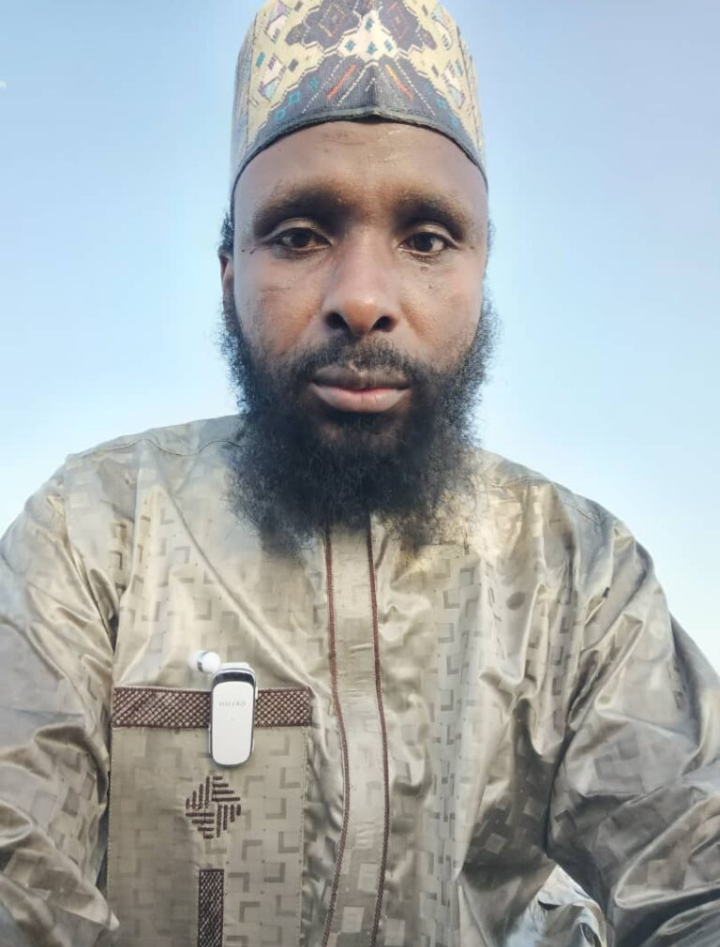
The post, circulated alongside a photograph, calls on aviation and security agencies to monitor airports and arrest the individual upon his return from Saudi Arabia.
The claim specifically links Modu to one of Nigeria’s states and suggests he traveled for Hajj under an undisclosed identity. Its rapid spread across WhatsApp, X, and Facebook has led to renewed calls for stricter screening of pilgrims and heightened airport surveillance, with many Nigerians demanding immediate investigation.
However, the allegations remain unverified. No Nigerian security agency, including the DSS, NIA, or Nigerian Air Force, has issued an official statement confirming the identity of the person in the photograph or validating the claims against him. Security analysts warn that unverified posts can compromise ongoing intelligence work and endanger innocent citizens.
Borno State Government, where Boko Haram insurgency has been most active, has also not commented on the circulating report as of press time. Observers note that credible intelligence on suspected insurgents is best handled through established security channels to allow proper verification, surveillance, and lawful action without trial by social media.
Security experts have repeatedly cautioned the public against treating viral claims as facts. They stress that misidentification in terrorism cases can have severe consequences, both for national security operations and for individuals wrongly accused. Verification, they argue, requires cross-checking with immigration records, intelligence databases, and international cooperation with Saudi authorities.
As of June 10, 2026, relevant authorities have not made any public comment on the viral post. Until official confirmation is provided, the claim remains speculative. The incident underscores the power of social media to shape public perception during sensitive security matters, and the need for citizens to rely on verified information from security agencies.
About The Author