Editor -in-Chief wrote this piece
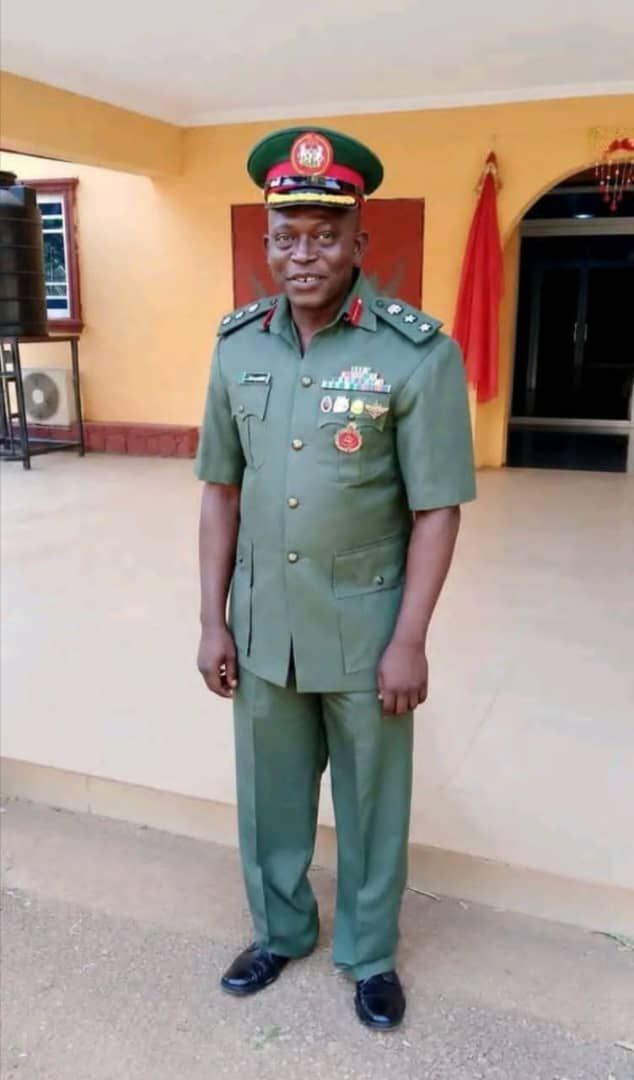
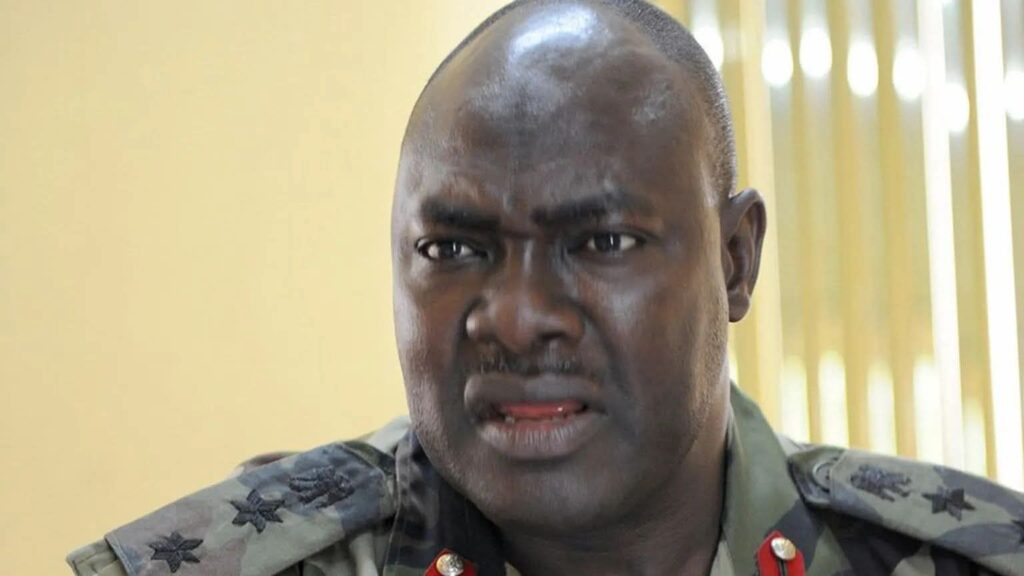
A high-profile military spokesman was killed yesterday by terrorists after spending several days in captivity.
Bandits demanded ransom, and despite negotiations, they maimed and executed him. The killing has renewed outrage over the government’s silence and slow response to escalating violence.
This is not isolated. Across Borno, Zamfara, Kaduna, Niger, and Sokoto, bandits and groups linked to Boko Haram, Lakurawa, and ISWAP have adopted a pattern: kidnap, demand ransom, then kill even when paid. Innocent civilians, security personnel, and now senior military voices are being targeted.
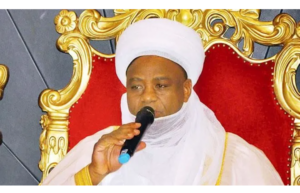
Recognizing the scale of devastation, the Sultan of Sokoto, Alhaji Muhammad Sa’ad Abubakar III, inaugurated a high-level security committee. It is headed by top military brass and includes the Police, Air Force, paramilitary, and other security agencies. The mandate: devise “formidable ways” to crush Boko Haram, Lakurawa, ISWAP, and bandit networks.
The committee has finished its assignment and submitted a detailed report with recommendations to Northern Governors. Traditional rulers, led by the Sultan, have played their part by convening stakeholders, engaging communities, and pushing for non-kinetic solutions alongside military action.
After receiving the report, Northern Governors publicly promised N1 billion to fund implementation of the committee’s action plan. The money was meant for intelligence, logistics, community security structures, and rapid response operations in the worst-hit zones.
Months later, the funds are yet to be fully released. Sources close to the process say disbursement delays from state governments are the main bottleneck. Without the money, training, equipment, and local vigilance networks proposed by the committee remain on paper.
Critics now argue that the governors who pledged the N1 billion may be “the problem of the North.” The question being asked: if traditional rulers and security chiefs have done their part, why are the political leaders who control budgets failing to act on a disaster that is killing thousands?
Critics now argue that the governors who pledged the N1 billion may be “the problem of the North.” The question being asked: if traditional rulers and security chiefs have done their part, why are the political leaders who control budgets failing to act on a disaster that is killing thousands?
Data from security trackers show the North-West and North-East account for over 70% of banditry, kidnapping, and insurgency deaths in Nigeria since 2023. Borno, Zamfara, and Kaduna top the list. Farms are abandoned, schools closed, and entire villages displaced. “North is worst devastated by bandits” is no longer rhetoric — it’s statistics.
After the spokesman’s killing, official statements were brief. There was no coordinated press briefing, no clear plan update, and no timeline for the committee’s rollout. That silence fuels perception that lives lost to ransom-related killings are being normalized.
Security agencies warn that Lakurawa, a new violent extremist group in North-West, is working with bandit gangs. ISWAP cells in the Lake Chad Basin continue attacks on troops and civilians. The committee’s report reportedly flagged the convergence of these groups as the biggest emerging threat.
Emirs and district heads have provided local intelligence, mediation channels, and community mobilization. The Sultan’s committee leaned heavily on this structure. But traditional authority cannot replace funded security operations or state budgets.
While full details are not public, insiders say recommendations include: 1) Joint border task forces, 2) Funding for local vigilantes under military supervision, 3) Air surveillance for bandit routes, 4) Victim support funds, 5) Prosecution of ransom payment networks. All require money and political will.
Every week of delay means more kidnappings, more ransom paid, and more bodies. The military spokesman’s death proves that even high-profile captives are not safe. Without immediate release of the N1bn and fast implementation, the committee’s work risks becoming another archived report.
The Sultan and security agencies have done their best. The committee has submitted its roadmap. The North is bleeding. The remaining obstacle is political: governors must release the promised funds and implement the plan. For families burying loved ones killed by bandits, “government silence” is no longer acceptable.
About The Author