By Mahmoud
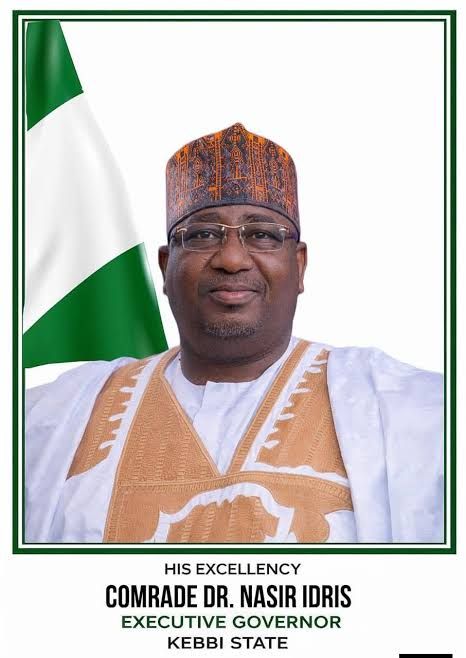
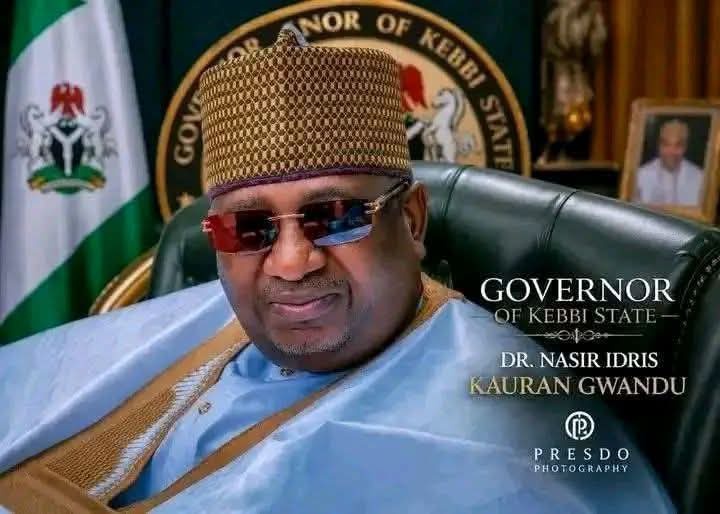
Dr. Nasir Idris, Kauran Gwandu, has offered a different model of governance in the North. At a time when many citizens complain that their governors are out of reach, his record of direct association with the people stands out. Even with frequent foreign trips, the story on the ground is one of presence, not absence.
The first lesson is simple: accessibility builds trust. Most governors lose contact with followers, associates and the common man once in office. From his days as governor-elect, Dr. Idris maintained the habit of mixing with people. That consistency is why many still say they love “his mud,” a phrase that captures his comfort in rural communities where most voters live.
Showing up matters. Driving himself to project sites to see work and monitor execution sends a clear message to contractors and commissioners. When the governor can appear unannounced, files move faster and excuses disappear. It is governance by inspection, not just by memo.
Humility has been his tradition. In Northern politics, that is rare currency. People remember who treated them as equals before power and after power. Rewarding that with a second term allows that culture to be deepened, not discarded after four years.
His connection to the grassroots gives him legitimacy where elections are decided. Villages, markets and local roads are the daily reality for most citizens. A governor who is seen there is a governor who understands that reality, and that understanding should be allowed to translate into completed projects.
Foreign travel is not the issue. The issue is what comes back with it. If those trips bring partnerships, skills, or investment, and the governor still returns to walk among his people, then the balance works. Voters can see the link between Abuja, abroad, and their own community.
Project monitoring cannot be fully delegated. By going to sites himself, Dr. Idris created a feedback loop. Problems are spotted early, before they become protests or abandoned sites. Other governors should learn that presence is a management tool, not a photo op.
For APC, fielding him again answers a major criticism of the party: that it has become distant. A candidate known for grassroots presence gives the party a credible story to take to the people, especially in rural areas with high turnout.
There is also the question of continuity. Four years is not enough to finish major infrastructure. Because he has personally tracked projects, he knows which ones are close to completion and need a final push. A second term lets him finish what he started.
His style also models leadership for younger politicians. Driving yourself, talking directly to citizens, and inspecting work sets a standard of service over entitlement. That example needs more time to take root in the political culture.
Culturally, the title Kauran Gwandu carries weight. Living up to it through public engagement bridges traditional expectations and modern governance. It reduces friction between the palace, the people, and government house.
Discipline in the bureaucracy follows visibility. When civil servants know the governor might show up, absenteeism drops. That lesson alone could improve service delivery across many Northern states if adopted.
The direct association also creates instant feedback. Citizens tell the governor what is working and what is not, without layers of aides filtering the message. That makes policy adjustment faster and more realistic.
In a political environment often accused of elitism, Dr. Idris offers a counter-narrative. “Mud politics” is not a weakness. It is proof that leadership can still be close to the people it serves. That narrative deserves another chapter.
Rewarding performance reinforces good behavior. If accessibility and monitoring are what voters want, then giving another chance to a governor who practiced them tells every other governor what the electorate values.
History will tell the full story, as you noted. But history is written by what gets finished. A second term provides the time to turn personal habits into systems, policies, and institutions that outlast one administration.
Ultimately, the case for Dr. Nasir Idris is about results and relationship. He traveled, but he also returned. He governed, but he also showed up. For those reasons, and for the lessons other governors can learn, he should be given another chance to consolidate the gains.
MAHMOUD wrote this piece from Kano, he is presently the publisher of The Northern Star online newspapers indagi3792@gmail.com
About The Author