By Editor
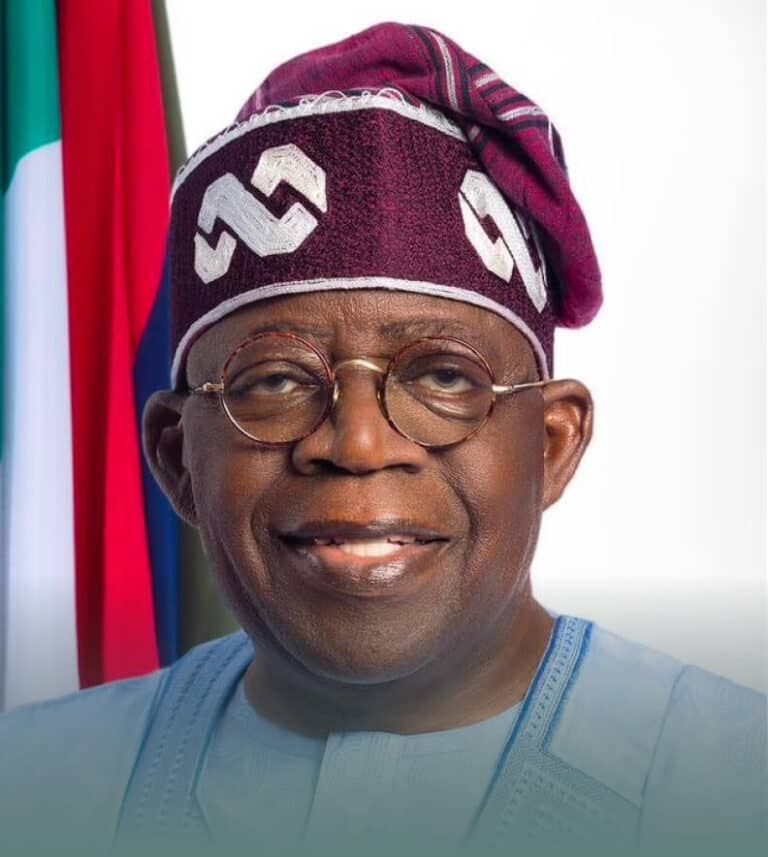
More than 500 Muslim clerics, imams, and preachers converged in Jigawa State on Saturday in what they described as a show of solidarity with President Bola Ahmed Tinubu ahead of the 2027 general elections. The gathering, organized under the Muslim Intellectuals Forum, came at a time when the region is grappling with abject poverty, rising food costs, and persistent insecurity.
The meeting, held behind closed doors before a public communique, drew participants from across Northern Nigeria and the Federal Capital Territory, Abuja. Organizers said the forum was meant to “consolidate support” for the President, but critics argue it reflects a growing trend of political endorsements by religious leaders in exchange for access to government.
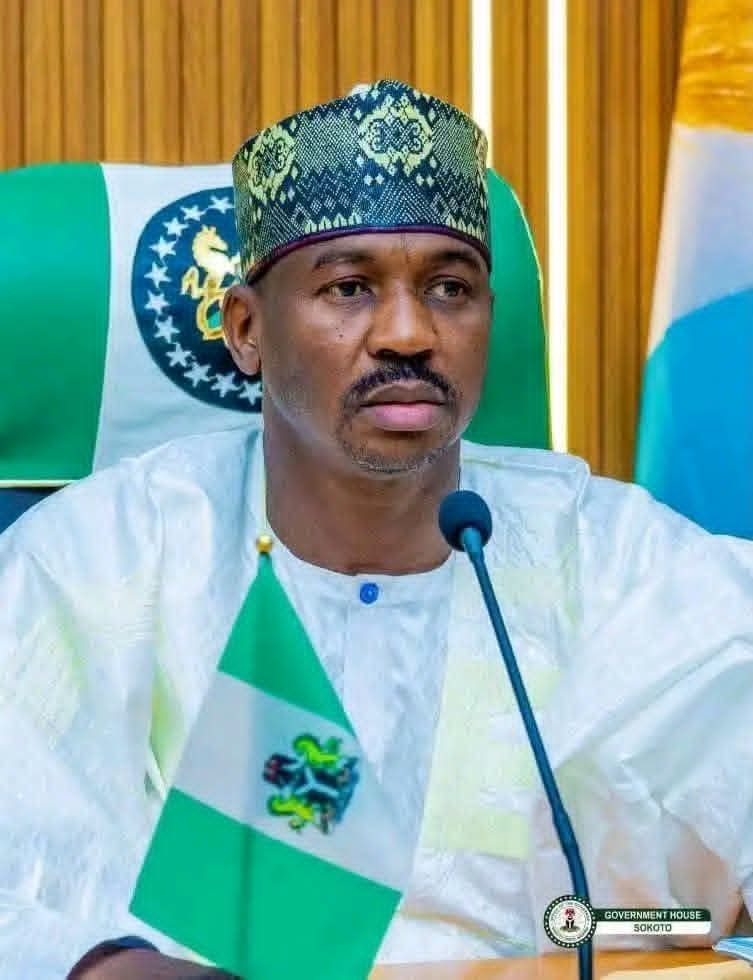
Delivering the resolution, the Minister of Housing and Urban Development, Dr. Muttaka Rabe Darma, praised the Tinubu administration for what he termed “notable progress” in infrastructure and economic policy. He cited ongoing projects in Kaduna, Katsina, and Sokoto as evidence that federal interventions were beginning to yield results in the North.
Yet even as the Minister spoke of progress, he acknowledged that hardship remains widespread. He specifically mentioned Niger and Zamfara states, where banditry and kidnapping continue to displace communities and cripple farming and trade. “There is still work to be done,” he admitted, calling for a “hands-on-desk approach” from the Presidency.
Chairman of the Forum, Sheikh Sale Abdullahi Pakistan, said the clerics based their endorsement on the government’s footprint in the North, particularly the rehabilitation of the Kano-Kaduna expressway. He described the road project as vital to reviving commerce and linking markets across the region.
The choice of timing has drawn criticism from civil society groups and some Christian leaders in the North, who questioned why religious figures would rally behind an incumbent while millions of citizens continue to struggle with inflation, unemployment, and insecurity. “This is the season of mushroom endorsements,” one community leader in Kano who asked not to be named said. “When people are hungry, some clerics suddenly find their voice for politics.”
Supporters of the forum, however, defended the meeting as legitimate. They argued that religious leaders have a duty to engage government and push for more development. Sheikh Pakistan urged the Federal Government to “wake up from slumber” and intensify efforts on security, job creation, and poverty alleviation, warning that silence in the face of suffering would erode public trust.
Political analysts say the Jigawa endorsement underscores how 2027 politics is already taking shape in the North, with religious institutions becoming key mobilization platforms. With poverty deepening and insecurity unresolved in many communities, the alignment between clerics and the presidency is likely to become a talking point in the months ahead.
In their closing statement, the 500 clerics called on President Tinubu to expand social interventions, improve security architecture, and deliver more tangible projects across Northern Nigeria. Whether that call translates into policy, or remains another political declaration, will determine how voters in the region respond when 2027 arrives.
About The Author