By Editor -in-Chief
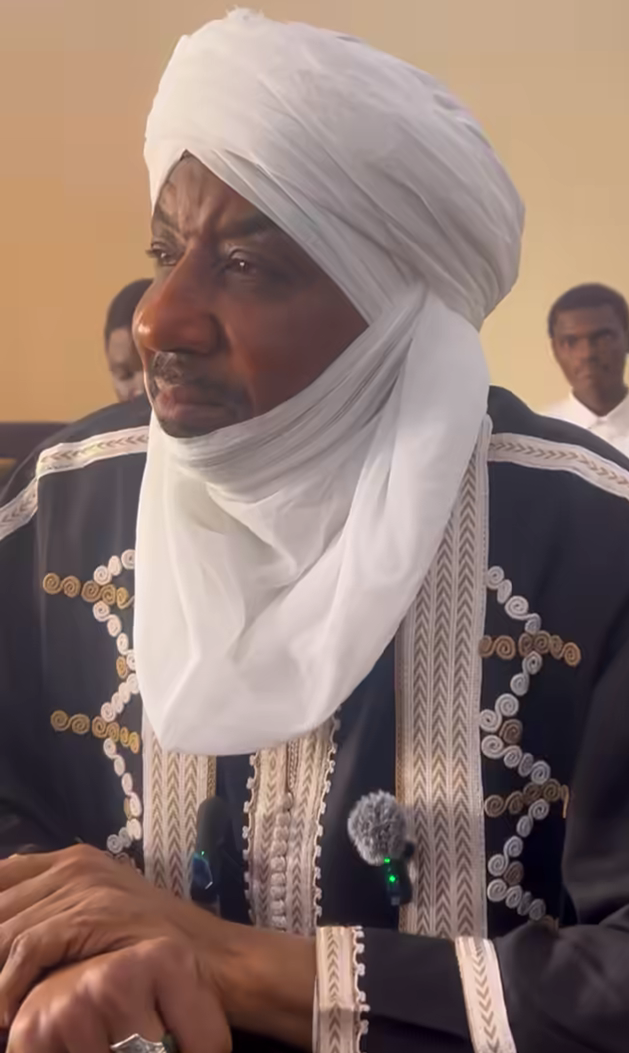
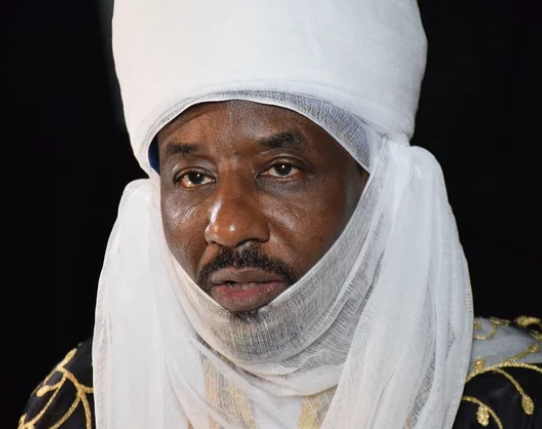
The Emir of Kano, Muhammadu Sanusi II, who is currently navigating the complexities of the Kano Emirate dispute, has issued a strong caution against involvement in bribery and corruption. He specifically addressed professionals and skilled workers across different fields, urging them to uphold integrity in their practice.
Speaking with authority, His Royal Highness emphasized that government work must be rooted in responsibility and service to the people. It should not be treated as a vehicle for personal wealth accumulation or selfish gain. According to him, public office is a trust, not a business venture.
Sanusi noted that professionals carry a heavy burden in society. Doctors, engineers, lawyers, academics, and technocrats are not just workers, they are custodians of standards. Their conduct sets the tone for institutions. When they compromise, the entire system weakens.
He added that skilled experts have a critical role in restoring good conduct and professional ethics in both government institutions and the private sector. Nigeria’s progress depends on rebuilding a culture where competence, honesty, and accountability are rewarded more than connections and shortcuts.
The Emir described corruption as more than a financial crime. It erodes trust, delays development, and discourages young people from believing in merit. For a nation with vast human capital, tolerating graft among its elite is a self-inflicted wound.
By speaking directly to professionals, Sanusi was reminding Nigeria’s educated class that leadership is not limited to politicians. Every engineer who refuses to cut corners, every doctor who treats patients without demanding “extra,” and every civil servant who follows due process is performing an act of nation-building.
His message was clear: fighting corruption cannot be left to anti-graft agencies alone. It requires a cultural shift led by the same people who design systems, manage budgets, and deliver services. When the elite choose integrity, the ripple effect reaches markets, classrooms, and hospitals.
In His Royal Highness’s words, the duty of service must outweigh the urge for gain. Nigeria’s future will be shaped by professionals who see their work as a contribution to society, not just a paycheck. Sanusi’s warning is both a rebuke and a call to action for the country’s most skilled citizens.
About The Author