By Editor
Borno State is battling another wave of cholera, and the numbers keep rising. In camps, communities, and even parts of Maiduguri, people are falling sick from a disease we already know how to prevent. When clean water and basic sanitation are missing, cholera finds a way in.
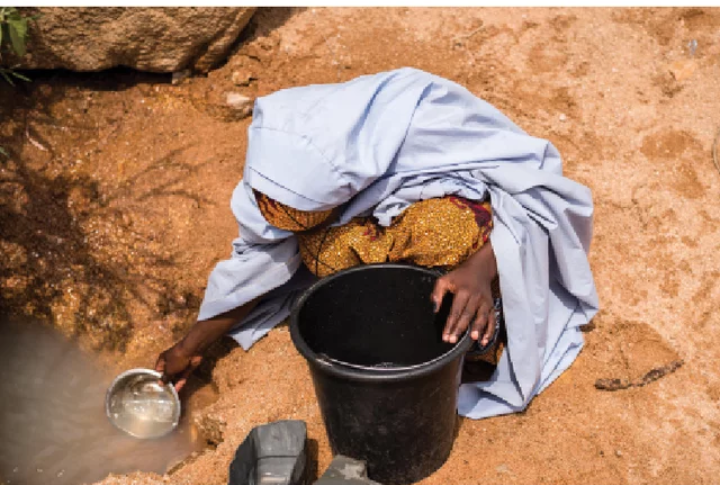
That’s the hard truth. Cholera is not a mystery illness. It spreads through dirty water, poor waste disposal, and open defecation. After years of humanitarian response in Borno, there is no excuse for communities still drinking from unsafe sources or lacking toilets. The knowledge exists. The solutions exist.
Children under 5, displaced families, and returnee communities are taking the worst of it. For a mother in an IDP camp, one cup of contaminated water can mean days in a treatment center, or worse. The crisis exposes the gap between emergency aid and lasting systems.
The immediate cause is Vibrio cholerae bacteria. The real causes are broken boreholes, overcrowded camps, weak sewage systems, and slow repairs. Insecurity and funding gaps play a role, but public health cannot keep waiting for “perfect conditions.” Prevention must move faster than the outbreak.
We’ve seen it work before: oral cholera vaccines, water treatment tablets, handwashing stations, community hygiene education, and rapid treatment centers. When these are deployed early and at scale, deaths drop fast. Cholera can be controlled within weeks with the right response.
Accountability Gap
“Without excuse” means asking tough questions. Where are the water trucks? Why are some boreholes still down? Are sanitation budgets reaching the wards that need them most? Borno’s people deserve more than press releases during outbreaks. They need systems that prevent them.
Government, NGOs, and local leaders must coordinate without delay. But citizens also have a role: treat water at home, use toilets, wash hands, and report cases early. Cholera spreads in silence. Early action breaks the chain.
Borno has survived insurgency, displacement, and hunger. It should not keep losing lives to cholera. Every death from this disease in 2026 is a policy failure, not just a medical one. The crisis is here, but the excuse is not.
By Mahmoud Muhammad
07060766191
About The Author