By Mahmoud Muhammad Kano
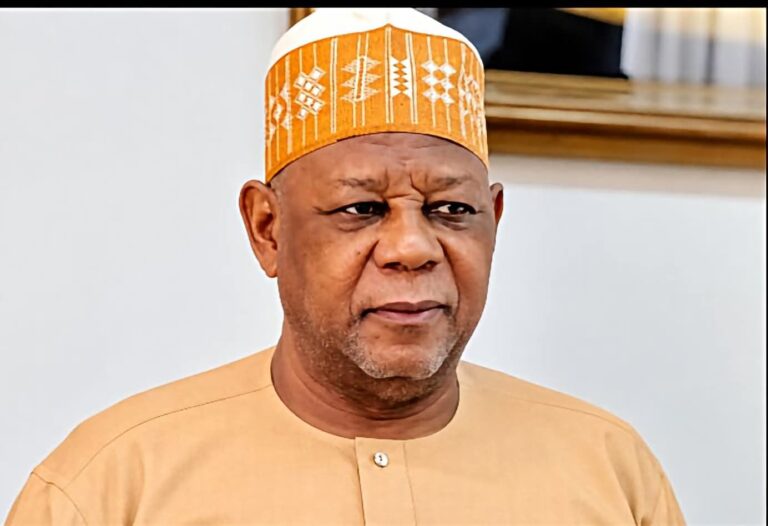
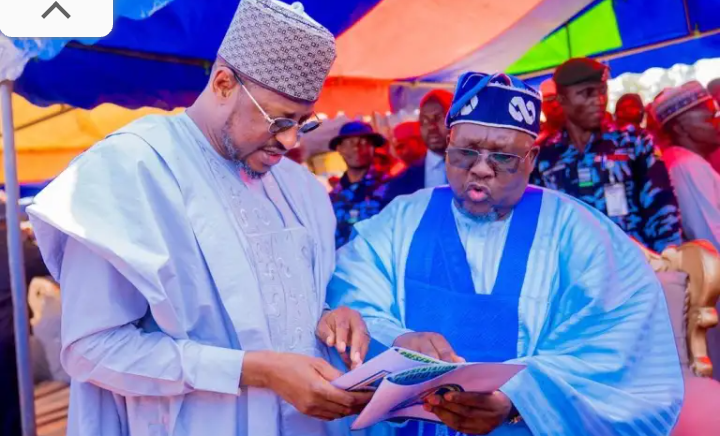
The political cold war between Katsina State Governor Dikko Umaru Radda and Ibrahim Kabir Masari, Special Adviser to President Bola Ahmed Tinubu on Political Matters, has taken a new and sensitive dimension following the invitation of the governor’s Aide-de-Camp (ADC) and Chief Security Officer (CSO) to the Force Headquarters in Abuja.
The two security officers were reportedly invited on August 20, 2026, for questioning over issues said to have originated from Katsina State.
Although the police have not publicly disclosed the specific matters under investigation, the development has generated fresh concerns about the widening political differences between the Radda camp and supporters of Masari.
The development is particularly significant because the two men occupy sensitive positions within the political structure of Katsina.
Radda controls the machinery of the state government, while Masari, through his position at the Presidency, is regarded as an influential political figure with interests in the direction of the APC ahead of the 2027 elections.
The disagreement between the two camps has reportedly intensified in recent months, with political stakeholders divided over control of party structures, influence and the future direction of the APC in Katsina.
What began as an internal political contest now appears to have developed into a wider struggle capable of affecting relationships among key political and security institutions.
The invitation of the governor’s ADC and CSO has therefore attracted considerable attention because of their direct responsibility for the governor’s personal security.
Political observers have warned that involving security personnel in an atmosphere of political rivalry could deepen mistrust and create the impression that state institutions are being drawn into partisan battles.
However, the police have rejected suggestions that the two officers were arrested over criminal allegations.
The Force Public Relations Officer, CSP Anietie Iniedu, said they were invited by the Inspector-General of Police, Tunji Disu, for questioning over matters originating from Katsina State, stressing that preliminary investigations had established that neither officer had committed a crime.
The clarification has shifted the narrative from alleged detention to an ongoing inquiry, but it has not eliminated questions surrounding the circumstances of the invitation. The Katsina State Government was also contacted for its reaction, with its Director-General of Media Directorate, Maiwada Dammallam, promising an official response.
Beyond the immediate police inquiry, the episode reflects the growing stakes in the struggle for political influence within Katsina APC as the 2027 elections approach. Continued rivalry between the competing camps could potentially affect party cohesion, mobilisation and the ability of the APC to maintain its political dominance in the state.
The Radda–Masari confrontation therefore remains a development to watch closely, particularly if the disagreement continues to move beyond political competition into institutions expected to operate independently.
For the APC, resolving the differences before they further widen could prove crucial to maintaining unity and electoral strength in Katsina ahead of 2027.
About The Author