By Editor
Ghana is working to begin exporting electricity to Nigeria as part of an ambitious plan to position the country as a major energy hub in the West African sub-region.
Ghana’s Minister for Energy and Green Transition, Dr John Abdulai Jinapor, disclosed the plan recently, saying Ghana already exports electricity to neighbouring countries including Burkina Faso, Benin, Togo and Côte d’Ivoire, while efforts are underway to add Nigeria to the list.
According to the minister, the proposed supply to Nigeria is part of Ghana’s broader strategy to develop sufficient and reliable electricity generation and transmission capacity, enabling the country to serve both its domestic economy and the wider West African electricity market.
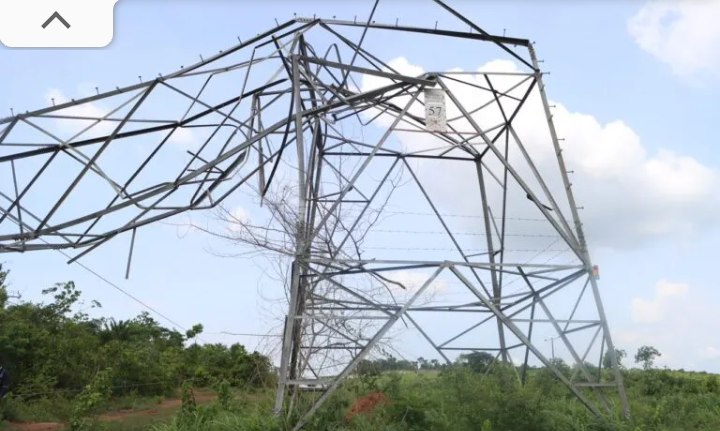
Ghana has an established regional electricity-trading system. Its national transmission network, operated by the Ghana Grid Company Limited (GRIDCo), is interconnected with the electricity systems of several neighbouring countries, allowing power to move across borders under regional arrangements.
The Ghanaian government says it wants to strengthen this position by expanding generation capacity and improving transmission infrastructure. The country currently relies on a mixture of hydroelectricity, thermal generation and renewable energy, while its installed generation capacity is reported at more than 4,100 megawatts.
Jinapor also outlined plans to diversify Ghana’s energy mix through natural gas, renewable energy and nuclear power. He said the combination would provide the reliable electricity required to support industries and the government’s economic ambitions, including President John Dramani Mahama’s 24-Hour Economy initiative.
For Nigeria, the proposed arrangement could open another avenue for electricity supply at a time when the country continues to face challenges involving generation, transmission capacity, distribution losses and reliability of power to households and businesses. However, actual electricity exports would depend on suitable cross-border transmission infrastructure and commercial agreements between the two countries.
The World Bank’s Ghana National Energy Compact also identifies the need to upgrade Ghana’s grid to improve frequency control, voltage stability and the ability to support both imports and exports of electricity. It further highlights the importance of harmonising regional electricity-market rules, tariffs and wheeling arrangements.
If successfully implemented, Ghana’s proposed electricity exports to Nigeria would mark a significant development in West African regional power cooperation. It would also demonstrate how electricity generated in one country can increasingly be traded across borders through the West African Power Pool, potentially strengthening energy security and supporting economic growth across the region.
Source World Bank
About The Author